Spray Foam & Equity Release: What Surveyors Look For
When you're looking to unlock equity from your home, the last thing you want is for spray foam insulation to derail your plans. Unfortunately, certain...
Spray Foam & Equity Release: What Surveyors Look For
When you’re looking to unlock equity from your home, the last thing you want is for spray foam insulation to derail your plans. Unfortunately, certain types of foam can create significant hurdles during the equity release process, as surveyors have become increasingly cautious about properties where it’s been installed. Understanding what concerns surveyors and how to address potential issues can save you months of delays and help ensure your equity release application stays on track.
Why Surveyors Flag Spray Foam Properties
Surveyors examining properties for equity release have good reason to scrutinise spray foam installations carefully. Their primary concern centres on structural integrity and future saleability — two factors that directly impact the property’s long-term value and marketability.
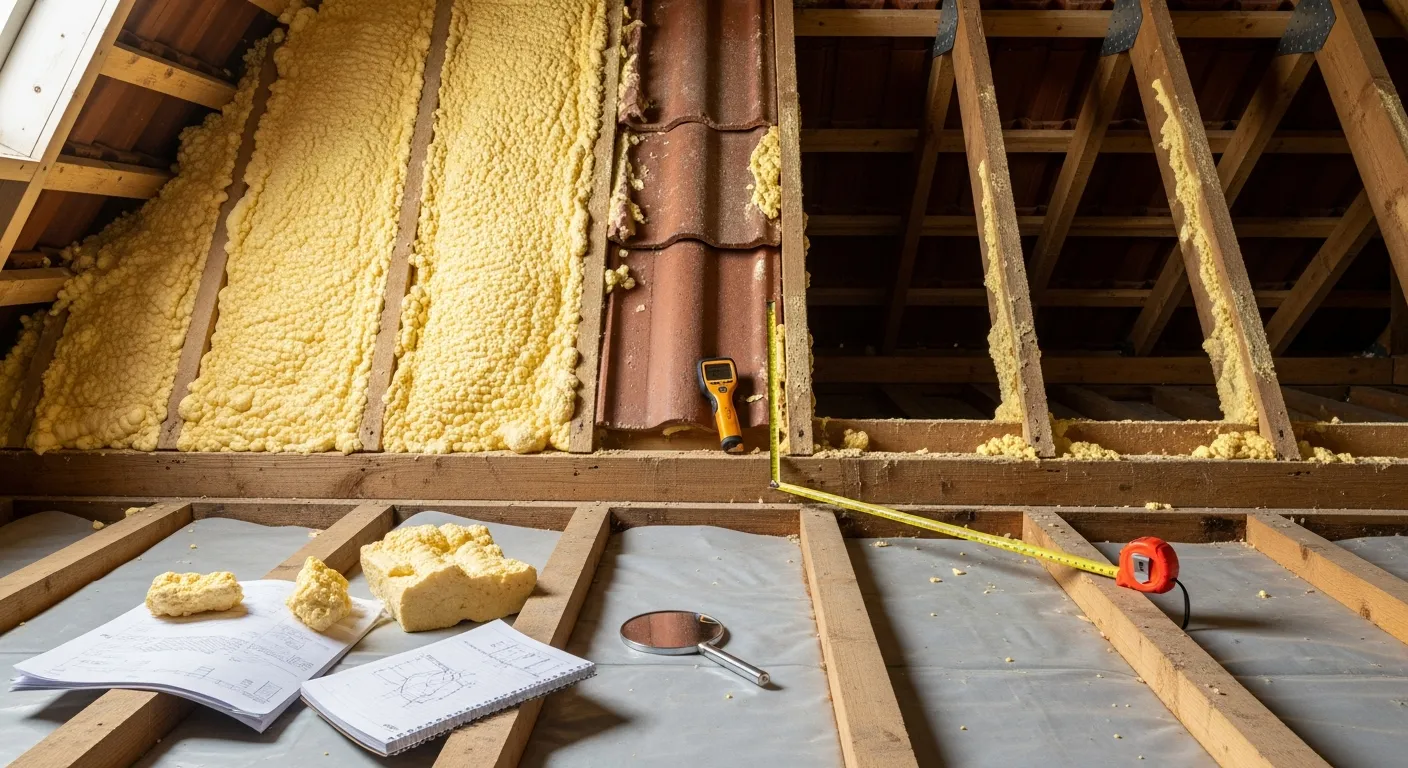
Open-cell spray foam, in particular, can trap moisture against timber structures, potentially leading to rot and structural weakening over time. When foam has been applied to roof timbers without adequate ventilation, it creates a sealed environment where condensation can accumulate. Surveyors know that discovering this type of damage later could significantly reduce the property’s value or even make it unsellable.
The application quality also raises red flags. Poorly installed foam that’s uneven, has gaps, or shows signs of shrinkage suggests corners were cut during installation. Surveyors often view this as an indicator of potential hidden problems throughout the property.
Insurance complications add another layer of concern. Many insurers now exclude or limit cover for properties with certain spray foam installations, making the property harder to insure or more expensive to cover — factors that directly affect its appeal to future buyers.
Red Flags That Stop Applications
Several specific conditions will almost certainly trigger a surveyor’s concerns and potentially halt an equity release application. Understanding these can help you prepare for potential issues or address them before applying.
Foam applied directly to roof tiles or slate represents a major red flag. This installation method prevents natural roof ventilation and can cause tiles to lift or crack as the foam expands and contracts with temperature changes. Surveyors know this type of installation often requires complete roof renewal.
Missing or inadequate ventilation creates another serious concern. Roof spaces need proper airflow to prevent condensation buildup, but spray foam installations that block all ventilation paths create perfect conditions for timber decay. When surveyors see this combination, they typically recommend further investigation or remedial work.
Evidence of moisture problems — such as staining on timbers, visible mould growth, or signs of previous leaks — immediately raises questions about whether the foam installation has contributed to or masked underlying issues. These problems suggest the property may face expensive repairs in the future.
Documentation gaps also concern surveyors. When there’s no record of what type of foam was used, who installed it, or whether building regulations approval was obtained, surveyors cannot assess the installation’s compliance or quality. This uncertainty often leads to conservative valuations or recommendations for specialist assessments.
What Passes Surveyor Scrutiny
Not all spray foam installations create problems for equity release applications. Understanding what surveyors view positively can help you determine whether your property is likely to face difficulties.
Professional closed-cell foam installations with proper documentation typically receive approval. When installers have followed British Standards, obtained necessary approvals, and provided warranties, surveyors can assess the work against established criteria. Well-executed installations that maintain adequate ventilation and show no signs of moisture problems generally pass inspection.
Properties where foam has been applied to appropriate surfaces — such as walls rather than roof structures — face fewer concerns. When the installation enhances insulation without compromising structural elements or ventilation systems, surveyors typically view it as a property improvement rather than a liability.
Recent installations by certified contractors with comprehensive warranties also fare better during assessments. Surveyors know that legitimate guarantees provide recourse if problems develop, reducing the long-term risk to the property’s value.
Clear maintenance records and evidence of regular property upkeep reassure surveyors that homeowners are monitoring the installation’s performance. When they can see that any issues would likely be identified and addressed promptly, surveyors feel more confident about the property’s condition.
Preparing for Surveyor Assessment
Taking proactive steps before your equity release survey can help avoid delays and demonstrate that you’ve maintained your property responsibly.
Gather all available documentation about your spray foam installation, including contractor certificates, material specifications, building regulations approvals, and any warranty information. Even incomplete records provide more information than surveyors can work with than no documentation at all.
Address any visible moisture issues before the survey takes place. Check for signs of leaks, condensation problems, or ventilation blockages in areas where foam has been applied. Our spray foam removal for equity release service often helps homeowners resolve these concerns by professionally removing problematic installations and restoring proper roof ventilation.
Consider commissioning an independent structural survey if you’re concerned about your foam installation. Having professional confirmation that timbers remain sound and no structural issues exist can provide valuable reassurance during the equity release assessment.
Ensure your property’s general maintenance is up to date, particularly around roofing and insulation areas. Well-maintained properties suggest responsible ownership and make surveyors more confident about the overall condition.
Key Takeaways
• Surveyors primarily worry about structural damage, moisture problems, and future saleability when assessing spray foam installations • Open-cell foam applied to roof timbers without proper ventilation creates the highest risk of application rejection • Well-documented, professionally installed closed-cell foam systems typically pass surveyor scrutiny without issues • Gathering installation records and addressing visible moisture problems before survey can prevent delays • Professional removal of problematic foam installations may be necessary to proceed with equity release applications
What Our Customers Say
Trusted by homeowners across Coventry & Warwickshire — here's what they have to say.
"Brilliant service from start to finish. The team were professional, tidy, and explained everything clearly. Our energy bills have dropped noticeably since the new insulation went in."
"Had spray foam removed and mineral wool installed. The surveyor was thorough and honest about what needed doing. Really impressed with the quality of work."
"We had terrible condensation in our loft. They diagnosed the problem quickly, improved the ventilation, and replaced the old insulation. No more damp and the house is noticeably warmer."
Frequently Asked Questions
No, but certain types raise significant concerns. Open-cell foam applied directly to roof timbers often requires removal, while properly installed closed-cell systems with adequate documentation typically pass assessment. The key factors are installation quality, documentation, and ongoing maintenance.
Resolution timeframes vary depending on the work required. Simple documentation gathering might take weeks, while foam removal and roof restoration typically requires 1-3 months. Starting the assessment process early helps identify potential delays before they impact your equity release timeline.
Yes, commissioning an independent structural survey or specialist foam assessment can provide valuable evidence for your equity release application. These reports help surveyors understand the installation's condition and any remedial work that's been completed, potentially speeding up the approval process. --- **Concerned about how spray foam might affect your equity release plans?** We provide comprehensive assessments and professional removal services to help homeowners resolve surveyor concerns. Contact us today to discuss your specific situation and explore your options for moving forward with confidence.
Ready for a Free Survey?
No obligation. We assess your property and provide a detailed quote — usually within 48 hours.