How Dry Ice Blasting Removes Spray Foam Safely
When expanding your loft or removing old insulation becomes necessary, you might discover spray foam that's firmly bonded to timber structures, roofing...
How Dry Ice Blasting Removes Spray Foam Safely
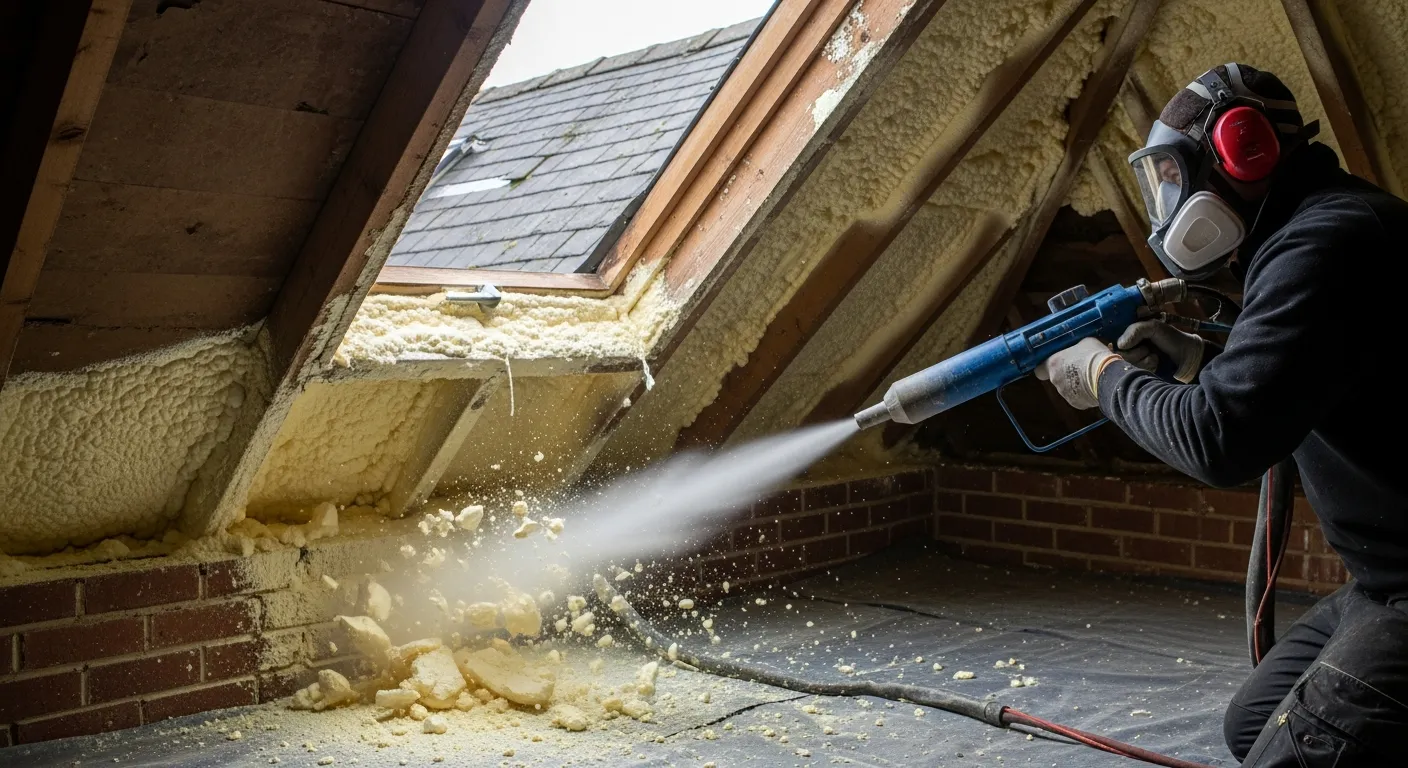
When expanding your loft or removing old insulation becomes necessary, you might discover spray foam that’s firmly bonded to timber structures, roofing materials, or cavity walls. Traditional removal methods often involve scraping, sanding, or chemical stripping — processes that can damage underlying surfaces and create health hazards. Dry ice blasting offers a revolutionary alternative that removes spray foam without harm to the substrate or your family’s wellbeing. Understanding exactly how this process works helps homeowners make informed decisions about foam removal projects.
What Makes Dry Ice Blasting Different from Traditional Methods
The dry ice blasting process relies on solid carbon dioxide pellets accelerated through compressed air to break the bond between spray foam and surfaces. Unlike mechanical scraping or chemical solvents, this method doesn’t introduce abrasive materials or toxic substances into your home environment.
When dry ice pellets strike the foam at minus 78.5 degrees Celsius, they create thermal shock that causes rapid contraction in the foam material. This temperature differential weakens the adhesive properties that bond foam to timber, metal, or masonry surfaces. Simultaneously, the pellets sublimate directly from solid to gas, expanding by 800 times their original volume and creating micro-explosions that lift contaminated material away from clean surfaces.
The beauty of this approach lies in its selectivity. Timber beams, steel framework, and masonry walls remain unharmed because they don’t experience the same thermal shock response as the foam. We often see homeowners amazed at how clean their original roof timbers look after cryogenic foam removal, revealing grain patterns and structural details that were hidden for years.
The Science Behind Temperature-Based Removal
Spray foam’s cellular structure becomes brittle when exposed to extreme cold. Most polyurethane and polyisocyanurate foams lose their flexibility at temperatures below minus 40 degrees Celsius, but dry ice operates at nearly double that temperature differential.
This brittleness occurs because the polymer chains within the foam contract at different rates than the expanding agents trapped in the cellular structure. The result is internal stress that fractures the foam’s integrity, allowing it to separate cleanly from adherent surfaces.
Professional equipment delivers dry ice pellets at precisely controlled velocities — typically between 50 and 100 metres per second. Too slow, and the thermal effect doesn’t penetrate deeply enough. Too fast, and you risk damaging delicate surfaces like original Victorian roof timbers or heritage stonework.
Temperature monitoring throughout the process ensures optimal removal rates while protecting your property’s structural elements. We’ve found that maintaining consistent pellet velocity produces the most thorough results, particularly when dealing with thick foam applications in cavity walls or around complex roof geometries.
Environmental and Safety Advantages Over Alternatives
Chemical foam removal introduces volatile organic compounds into your living space, often requiring extensive ventilation and protective equipment. Mechanical removal creates dust clouds containing foam particles and potentially harmful fibres. Both approaches generate significant waste streams requiring special disposal.
Dry ice blasting produces no secondary waste whatsoever. The carbon dioxide sublimates completely, leaving only the removed foam material for disposal. This eliminated waste stream often reduces project costs and environmental impact compared to traditional removal methods.
The process operates without toxic chemicals, meaning no off-gassing concerns for families with young children or respiratory sensitivities. Unlike solvent-based removal, there’s no lingering odour or need for extended ventilation periods before reoccupying treated spaces.
Safety protocols focus primarily on proper ventilation to manage carbon dioxide levels and protective equipment for operators. The absence of chemical hazards simplifies site preparation and reduces risks to household occupants during removal work.
Equipment Precision Creates Superior Results
Professional dry ice blasting equipment allows precise control over pellet size, delivery pressure, and application patterns. Dense foam formations require larger pellets and higher pressures, while delicate substrates need gentler treatment parameters.
Modern blasting systems include variable flow controls that adjust pellet delivery rates based on foam thickness and surface sensitivity. This precision prevents over-treatment that could damage underlying materials while ensuring complete foam removal from complex geometries.
Specialised nozzles direct the ice stream into corners, around pipework, and through irregular spaces where foam typically proves most stubborn. The ability to adjust blast patterns means efficient coverage across large areas combined with detailed work around architectural features.
Temperature sensors monitor substrate conditions throughout the process, preventing thermal shock to materials like plastic pipes or electrical installations that might be embedded within foam layers.
Key Takeaways
• Dry ice blasting uses thermal shock to break foam bonds without damaging underlying surfaces
• The process creates no secondary waste and introduces no chemicals into your home environment
• Precise equipment controls ensure effective removal while protecting delicate architectural features
• Temperature differentials cause foam to become brittle and separate cleanly from substrates
• Professional application delivers superior results compared to mechanical or chemical alternatives
What Our Customers Say
Trusted by homeowners across Coventry & Warwickshire — here's what they have to say.
"Brilliant service from start to finish. The team were professional, tidy, and explained everything clearly. Our energy bills have dropped noticeably since the new insulation went in."
"Had spray foam removed and mineral wool installed. The surveyor was thorough and honest about what needed doing. Really impressed with the quality of work."
"We had terrible condensation in our loft. They diagnosed the problem quickly, improved the ventilation, and replaced the old insulation. No more damp and the house is noticeably warmer."
Frequently Asked Questions
Most residential projects complete 50-70% faster than mechanical scraping because there's no secondary cleanup phase. The foam debris comes away cleanly without grinding residue into surface textures, eliminating the time-consuming finishing work that traditional methods require.
Standard electrical cables and copper pipes withstand dry ice temperatures without degradation. However, we always survey installations beforehand and adjust our approach around sensitive components like plastic fixtures or electronic devices that might be affected by rapid temperature changes.
The non-abrasive nature makes dry ice particularly suitable for heritage work. We've successfully removed foam from Georgian timber frames and Victorian stonework where traditional methods would have caused irreversible damage to original architectural details and surface finishes. --- Ready to discover how dry ice blasting can safely remove spray foam from your property? Our experienced team uses professional-grade equipment to deliver precise results that protect your home's structural integrity. Contact us today to discuss your specific foam removal requirements and arrange a detailed site assessment.
Ready for a Free Survey?
No obligation. We assess your property and provide a detailed quote — usually within 48 hours.