Open Cell vs Closed Cell Spray Foam: Key Differences
Choosing the right insulation material for your home isn't just about thermal performance — it's about making a decision that affects moisture control,...
Open Cell vs Closed Cell Spray Foam: Key Differences
Choosing the right insulation material for your home isn’t just about thermal performance — it’s about making a decision that affects moisture control, structural integrity, and long-term building health. When it comes to spray foam insulation, homeowners often face a crucial choice between open cell and closed cell varieties. Understanding these differences is essential, whether you’re planning new insulation or dealing with existing spray foam that needs attention. Each type has distinct characteristics that make it suitable for different applications, and knowing which is which can save you from costly mistakes down the line.
What Makes Each Type Different
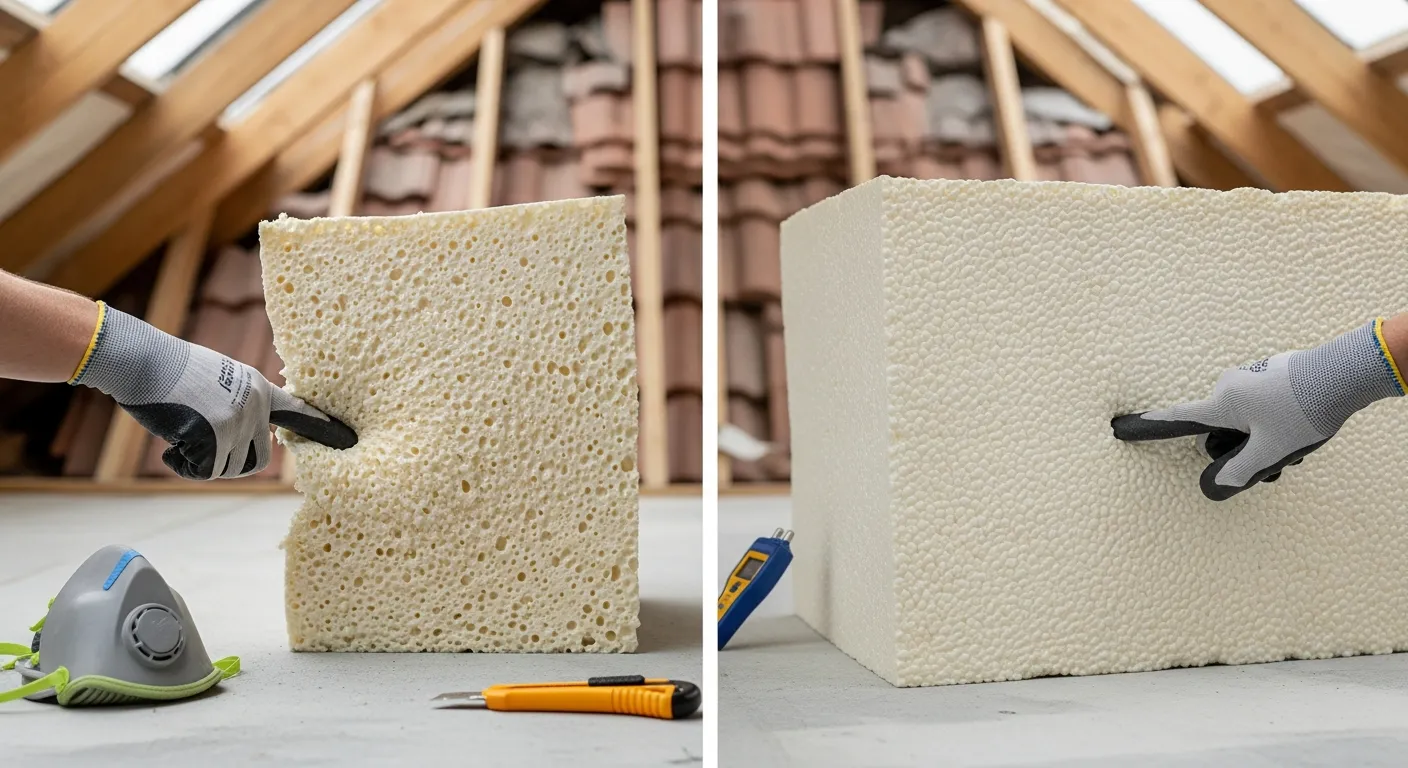
The fundamental difference between these foam types lies in their cellular structure. Open cell spray foam has interconnected air pockets that remain permeable to air and moisture vapour. This creates a softer, more flexible material that’s lighter in weight but less dense overall. The foam expands significantly during application, filling cavities thoroughly whilst remaining somewhat spongy to the touch.
Closed cell spray foam, by contrast, features sealed air pockets that create an impermeable barrier. This results in a much denser, harder material that feels almost plastic-like when fully cured. The foam doesn’t expand as dramatically during application, but what it lacks in expansion it makes up for in strength and moisture resistance. This structural integrity means it can actually add to the building’s rigidity.
Performance Characteristics That Matter
Thermal performance varies considerably between the two types. Open cell typically achieves R-values around 3.5 per inch, whilst closed cell delivers approximately 6-7 per inch of thickness. This means you need roughly twice the thickness of open cell to match the insulating power of closed cell foam.
Moisture behaviour represents perhaps the most critical difference. Open cell allows water vapour to pass through, which can be beneficial in certain wall assemblies where controlled vapour permeability helps prevent condensation issues. However, this same permeability means it won’t provide a moisture barrier. Closed cell acts as both an insulator and vapour barrier, completely blocking moisture movement — which can be advantageous or problematic depending on your building design.
Air sealing capabilities also differ significantly. Both types provide excellent air sealing compared to traditional insulation, but closed cell creates a more robust air barrier due to its impermeable nature. Open cell relies more on its ability to expand and fill gaps, though it can still allow some air movement if not properly detailed.
When Problems Arise
Understanding these differences becomes particularly important when spray foam installations go wrong. Poor installation, inappropriate type selection, or building moisture issues can create serious problems that require professional attention. We see this regularly in our closed cell and open cell spray foam removal work, where homeowners have discovered that the wrong type was installed for their specific application.
Common issues include open cell foam that’s been installed in areas needing vapour control, leading to moisture accumulation and potential mould growth. Conversely, closed cell foam in locations requiring vapour permeability can trap moisture within wall assemblies, causing structural damage over time. These situations often require complete removal and replacement with appropriate materials.
Making the Right Choice for Your Property
Cost considerations play a significant role in selection. Open cell typically costs less per square foot but requires greater thickness to achieve equivalent R-values. Closed cell commands a premium price but delivers superior performance per inch. When space is limited, closed cell often proves more cost-effective despite the higher material cost.
Building regulations and design requirements should ultimately guide your decision. In UK climates, careful consideration of moisture management is essential. Some wall assemblies work better with vapour-permeable insulation, whilst others require complete vapour barriers. Professional assessment ensures you select the appropriate type for your specific building design and local conditions.
Key Takeaways
• Open cell spray foam offers good insulation with vapour permeability but requires greater thickness and provides less structural strength
• Closed cell delivers superior R-value per inch, acts as a vapour barrier, and adds structural rigidity but costs more per square foot
• Moisture management requirements should drive your selection — wrong choice can lead to serious building problems
• Professional assessment ensures appropriate foam type selection for your specific building design and climate conditions
• Poor installations or wrong type selection often require complete removal and replacement by experienced contractors
What Our Customers Say
Trusted by homeowners across Coventry & Warwickshire — here's what they have to say.
"Brilliant service from start to finish. The team were professional, tidy, and explained everything clearly. Our energy bills have dropped noticeably since the new insulation went in."
"Had spray foam removed and mineral wool installed. The surveyor was thorough and honest about what needed doing. Really impressed with the quality of work."
"We had terrible condensation in our loft. They diagnosed the problem quickly, improved the ventilation, and replaced the old insulation. No more damp and the house is noticeably warmer."
Frequently Asked Questions
Yes, different areas of a building may benefit from different foam types. For example, closed cell in below-grade applications and open cell in above-grade walls, provided the overall moisture management strategy is properly coordinated.
Closed cell feels hard and dense, like rigid plastic, whilst open cell feels softer and more flexible. Closed cell also appears more uniform and dense, whereas open cell has a more textured, spongy appearance with visible air pockets.
Open cell generally removes more easily due to its softer texture, whilst closed cell's hardness and adhesive properties make removal more challenging. Both require professional equipment and expertise for safe, complete removal. Ready to assess your spray foam insulation needs or address existing issues? Our experienced team provides comprehensive evaluation and professional removal services when spray foam installations need attention. Contact us for a detailed survey of your property's insulation requirements.
Ready for a Free Survey?
No obligation. We assess your property and provide a detailed quote — usually within 48 hours.