Spray Foam Removal & Insulation Services in Leamington Spa & Warwick
We provide specialist insulation and spray foam removal services throughout Leamington Spa, Warwick, and the broader CV31/CV34 postcodes. Our experienced...
Spray Foam Removal & Insulation Services in Leamington Spa & Warwick
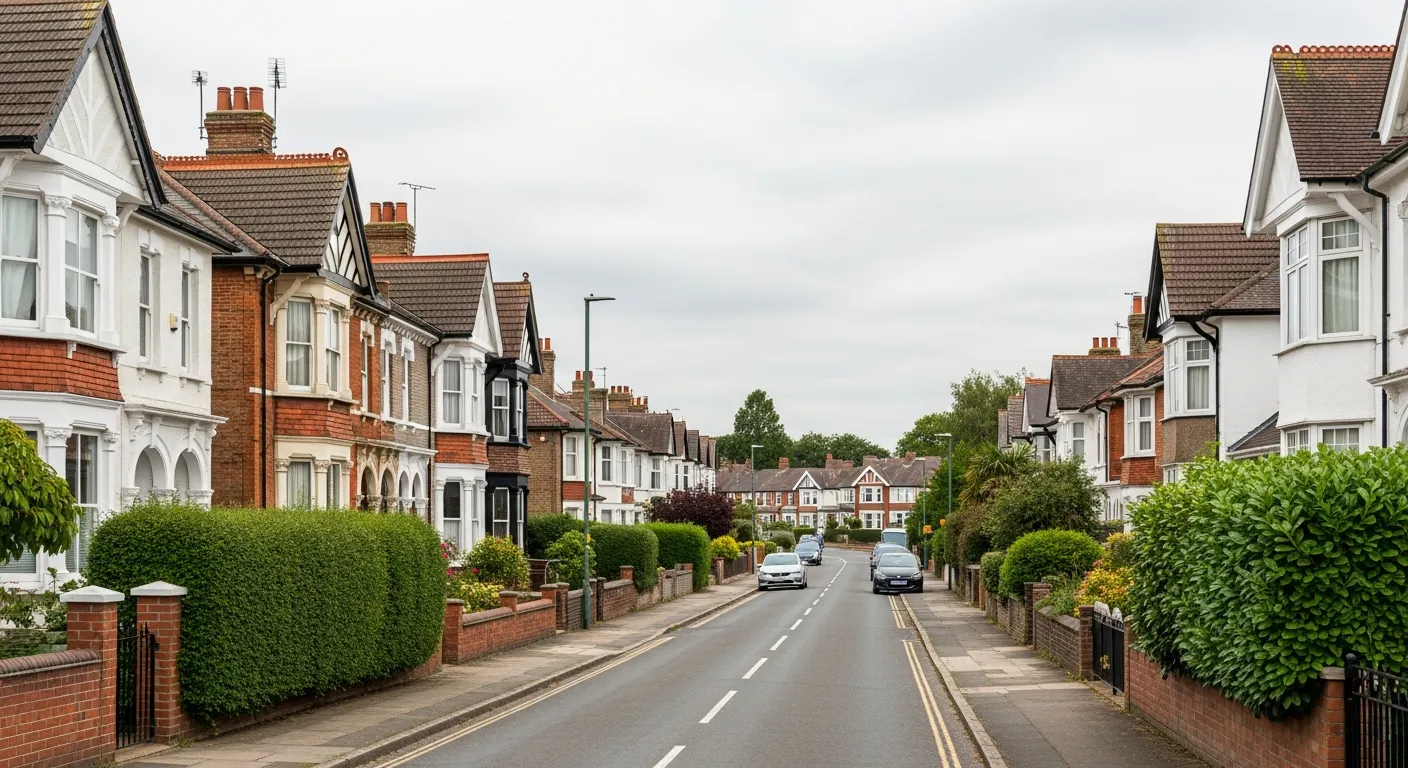
We provide specialist insulation and spray foam removal services throughout Leamington Spa, Warwick, and the broader CV31/CV34 postcodes. Our experienced team understands the unique challenges faced by homeowners in this historic spa town and medieval castle settlement. From the elegant Regency terraces along Leamington Parade with their characteristic 18-inch solid walls, to Warwick’s timber-framed Georgian townhouses and the post-war estates in Packmores, each property type demands a tailored approach to insulation. We carry out the majority of our work ourselves, ensuring that every job meets our exacting standards while respecting the architectural heritage that makes this area so distinctive.
Understanding Your Local Property Challenges
Working across Leamington Spa and Warwick has given us intimate knowledge of the diverse housing stock that defines these neighbouring towns. The magnificent Regency terraces on Leamington Parade and Newbold Terrace present unique challenges with their solid brick construction and ornate plasterwork that can be damaged by inappropriate insulation methods. These Grade II listed properties typically feature 18-inch thick walls that were never designed to work with modern cavity insulation systems.
In Warwick’s town centre conservation area, we regularly work on Georgian townhouses and timber-framed buildings where any insulation work must comply with strict planning restrictions while preserving the structural integrity of these historic properties. The medieval construction methods used in buildings near Warwick Castle and along the historic streets require specialist knowledge to avoid moisture entrapment issues.
The Victorian artisan cottages in Sydenham present their own set of problems. These narrow terraced properties with solid brick walls often suffer from poor ventilation, making them particularly susceptible to damp issues when incorrectly insulated. Meanwhile, the 1930s-60s estates in Milverton and Lillington frequently have failing cavity wall insulation that’s allowed moisture penetration over the decades.
Properties in low-lying areas near the River Leam and River Avon face additional challenges from higher ambient moisture levels, particularly affecting homes in Packmores and the Forbes estate where post-war construction methods haven’t aged well in this humid microclimate.
Tailored Solutions for Local Architecture
Our approach varies dramatically depending on your property’s age and construction. For Regency properties along Leamington Parade, we specialise in internal wall insulation systems that protect the original lime mortar pointing while preventing condensation behind the insulation layer. These elegant terraces require breathing wall solutions that work with their original construction rather than against it.
When working on Warwick’s timber-framed Georgian buildings, we remove problematic spray foam that can cause structural damage to oak beams and replace it with sympathetic natural insulation materials. Our spray foam removal service has become essential for many listed properties where previous contractors have used inappropriate modern materials that trap moisture in historic timbers.
For the Victorian terraces in Sydenham, we often recommend external wall insulation where planning permission allows, as these narrow properties can’t afford to lose internal space. Where external solutions aren’t permitted, we install carefully designed internal systems with proper vapour barriers.
The cavity walls in 1930s-60s properties throughout Milverton and Lillington often contain failed insulation that we extract and replace. Our cavity wall extraction service removes old blown-in materials that have compressed or become damp, then we install new insulation with proper moisture management.
Loft insulation upgrades are particularly important for post-war council houses in areas like Packmores, where original insulation levels were minimal. We ensure proper ventilation in these properties to prevent the condensation issues common in the Avon valley’s humid conditions.
Coverage Across CV31, CV34 and Beyond
While Leamington Spa and Warwick form our core coverage area, we extend our services throughout the surrounding region. We regularly work in nearby Kenilworth, particularly on the mixed housing stock ranging from medieval properties near the castle ruins to modern developments. Our teams also cover Rugby, Cheylesmore & Styvechale, and Solihull, bringing the same detailed understanding of local architecture and building methods to each location. This broader coverage allows us to serve the wider Warwickshire community while maintaining our focus on quality workmanship and local expertise.
Book Your Free Survey in Leamington Spa & Warwick
Ready to improve your property’s thermal performance while respecting its architectural heritage? Our experienced team provides free, no-obligation surveys throughout CV31 and CV34. We’ll assess your specific property type, explain the most suitable insulation solutions, and provide a detailed quote tailored to your home’s unique characteristics. Contact us today to arrange your consultation.
Nearby Areas We Cover
Our Services
Insulation Contractor
Professional loft insulation installation and energy efficiency upgrades for homes across Coventry and Warwickshire
View services →Roofing Contractor
Specialist spray foam removal and remediation services for homeowners needing mortgage compliance or property restoration
View services →General Contractor
Professional assessment, certification, and project management for complex insulation and remediation projects
View services →Debris Removal Service
Safe extraction and disposal of hazardous or degraded insulation materials
View services →Property Maintenance
Ancillary services that improve the functionality and accessibility of your loft space
View services →What Our Customers Say
Trusted by homeowners across Coventry & Warwickshire — here's what they have to say.
"Brilliant service from start to finish. The team were professional, tidy, and explained everything clearly. Our energy bills have dropped noticeably since the new insulation went in."
"Had spray foam removed and mineral wool installed. The surveyor was thorough and honest about what needed doing. Really impressed with the quality of work."
"We had terrible condensation in our loft. They diagnosed the problem quickly, improved the ventilation, and replaced the old insulation. No more damp and the house is noticeably warmer."
Frequently Asked Questions
Regency properties feature much thicker solid walls (often 18 inches) with lime mortar that needs to breathe. Unlike Victorian houses with harder cement pointing, these buildings require insulation systems that allow moisture vapour to pass through. We use breathable internal insulation with lime-based finishes that complement the original construction methods and preserve the ornate plasterwork.
The higher moisture levels in these low-lying areas mean we need enhanced vapour control strategies. Properties near both rivers often experience seasonal flooding risks and elevated humidity year-round. We install robust moisture barriers and ensure excellent ventilation to prevent condensation forming within wall cavities or behind internal insulation systems.
Generally no, and we frequently remove spray foam from these properties. Historic oak timbers need to expand and contract naturally with seasonal changes. Spray foam prevents this movement and can trap moisture, leading to rot in irreplaceable medieval beams. We replace it with natural materials like sheep's wool or cork that work with the building's original design.
These properties were built during a transitional period when cavity wall construction was becoming standard but insulation wasn't initially installed. When insulation was retrofitted in later decades, it often wasn't suitable for the local climate conditions. The combination of single-skin inner walls and the area's humidity creates condensation problems when inappropriate materials are used.
Yes, any external alterations to listed buildings require Listed Building Consent from Warwick District Council. Internal insulation work may also need consent if it affects historic features. We work closely with conservation officers and can recommend appropriate materials and methods that satisfy both thermal performance requirements and heritage protection standards.
Ready for a Free Survey?
No obligation. We assess your property and provide a detailed quote — usually within 48 hours.