Spray Foam Removal & Insulation Services in Cheylesmore & Styvechale
Spray foam removal & insulation services in Cheylesmore & Styvechale. Specialists in 1930s cavity wall & solid brick Edwardian properties. Free survey available.
Spray Foam Removal & Insulation Services in Cheylesmore & Styvechale
We provide specialist insulation and spray foam removal services throughout Cheylesmore & Styvechale, helping homeowners in this historic part of CV3 address the unique thermal challenges of properties ranging from 1930s bay-fronted semis to Edwardian terraces. From the council-built estates near War Memorial Park to the distinctive homes along Styvechale Croft, our experienced team understands the specific insulation needs of local housing stock. Whether you’re dealing with problematic spray foam that’s affecting your mortgage or need comprehensive wall and loft insulation, we carry out the majority of installations ourselves, ensuring quality workmanship throughout this established Coventry neighbourhood.
Understanding Cheylesmore & Styvechale’s Housing Heritage
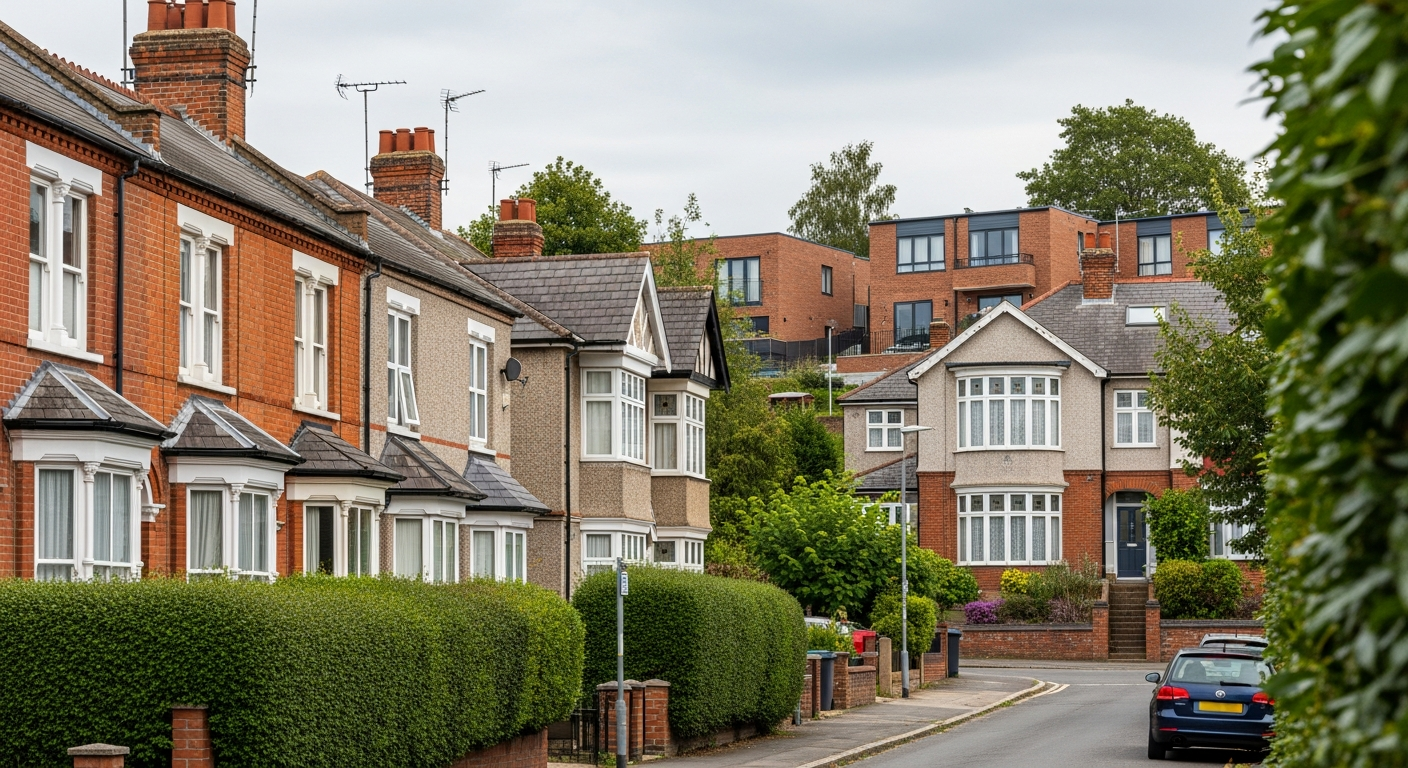
The housing landscape across Cheylesmore & Styvechale tells a fascinating story of Coventry’s development, each era bringing its own insulation challenges. The area’s origins as a medieval deer park have given way to diverse property types, each requiring specialist knowledge to insulate effectively.
The 1930s bay-fronted semis around Styvechale Croft represent some of the area’s most characterful homes, built with cavity walls that often contain minimal or deteriorated original insulation. These properties, with their distinctive front bays and generous room sizes, were constructed during an era when fuel was cheap and thermal efficiency wasn’t a priority. Many feature single-glazed metal windows in their bay sections, creating significant heat loss points.
The substantial post-war expansion brought extensive council-built estates, particularly evident near the boundaries with War Memorial Park. These 1940s and 1950s properties present a mixed picture – some feature cavity construction, whilst others were built with solid 9-inch brick walls. The earlier council homes often lack any cavity insulation, whilst later builds may have minimal slag wool or early mineral fibre that’s now settled and ineffective.
Along Quinton Road and the approaches to London Road, you’ll find Edwardian terraces that predate cavity wall construction entirely. These solid brick properties, typically built between 1900-1920, rely entirely on internal or external wall insulation solutions. Their traditional lime mortar construction requires careful consideration when selecting insulation methods to avoid moisture issues.
The area has also seen significant infill development, particularly from the 2000s onwards, with modern homes built to higher thermal standards but sometimes featuring complex roof lines that create insulation challenges during loft conversions – increasingly popular as families expand within these established neighbourhoods.
Targeted Solutions for Local Property Types
Our insulation services directly address the specific challenges we encounter throughout this part of CV3. For the 1930s bay-fronted properties along Styvechale Avenue and surrounding streets, we often focus on cavity wall insulation to fill those empty voids, combined with careful attention to the thermal bridging around those characteristic bay windows. These homes frequently benefit from loft insulation upgrades, particularly where families have converted roof spaces for additional bedrooms.
The post-war council estates near War Memorial Park require different approaches depending on their construction. Properties with cavity walls receive mineral wool or polystyrene bead injection, whilst the solid-wall homes often need internal wall insulation to achieve meaningful thermal improvements. We regularly work on these estates where residents are taking advantage of available grant funding to improve their homes’ energy efficiency.
For the Edwardian terraces approaching Quinton Road, we typically recommend internal wall insulation systems that respect the properties’ traditional construction methods. These homes often have lime-based mortars that need to breathe, making vapour-permeable insulation solutions essential to prevent damp issues.
Our spray foam removal service has become increasingly relevant across the area, particularly in properties where previous installers have used non-approved foam products. We’ve worked on several homes where spray foam in lofts has created mortgage complications, requiring careful removal and replacement with approved insulation materials.
The higher ground around Styvechale faces greater exposure to prevailing westerly winds, making roof insulation particularly important. We often recommend comprehensive loft insulation upgrades in these locations, paying special attention to wind-driven moisture and ensuring adequate ventilation to prevent condensation issues.
Coverage Beyond CV3
Whilst Cheylesmore & Styvechale forms our core coverage area, we extend our services throughout the surrounding districts. Our team regularly works in nearby Earlsdon with its Victorian and Edwardian properties, Allesley & Coundon where we encounter similar inter-war housing stock, and Kenilworth with its mixture of period properties and modern developments. We also serve Balsall Common & Meriden, areas that share similar housing characteristics and insulation challenges with this part of CV3.
Local Questions About Insulation Services
Do 1930s cavity wall properties near War Memorial Park benefit from re-insulation?
Absolutely. Most 1930s homes in this area have empty cavities or contain original insulation that’s deteriorated significantly. Modern cavity wall insulation can reduce heat loss by 35% or more, particularly beneficial given the exposed position of many properties bordering the park. We assess each cavity individually to ensure it’s suitable for treatment.
Are grants available for insulation improvements in CV3 council-built homes?
Yes, several schemes operate in this area. ECO4 funding often applies to council-built properties, particularly those built in the 1940s-50s. We help homeowners navigate the application process and can identify which properties qualify. The combination of solid wall construction and lower household incomes often makes these homes eligible for significant grant support.
How does proximity to Coventry’s ring road network affect noise insulation requirements?
Properties near the ring road, particularly around Cheylesmore Manor ruins, benefit significantly from enhanced wall and roof insulation that provides acoustic as well as thermal benefits. Dense mineral wool insulation in walls and lofts can reduce road noise by 10-15 decibels whilst improving thermal performance. We often recommend combined solutions for homes in these locations.
What insulation approaches work best for bay-fronted semis on Styvechale Croft?
These distinctive homes require careful attention to their thermal bridge points, particularly around the bay window structures. Cavity wall insulation addresses the main wall areas, whilst the bay sections often need specific treatment. We typically recommend high-performance loft insulation to compensate for heat loss through the complex roof junctions these bays create.
Why do loft conversions in this area often have insulation problems?
Many loft conversions in Cheylesmore & Styvechale were completed before current building regulations. Converted roof spaces in 1930s and post-war homes often have insufficient insulation between rafters, creating cold spots and condensation issues. We regularly upgrade these spaces with modern insulation systems that meet current thermal performance standards whilst addressing ventilation requirements.
We’re fully insured to £5 million and all our technicians are DBS-cleared, giving you complete peace of mind when we’re working in your home. As an ICO-registered company, we handle your personal information with complete professionalism, and our pay-on-completion policy means you only pay when you’re completely satisfied with the finished work.
Ready to improve your home’s thermal performance with insulation services designed specifically for properties in Cheylesmore & Styvechale? Contact us today to arrange your free, no-obligation survey and discover how we can help reduce your energy bills whilst making your home more comfortable year-round.
Nearby Areas We Cover
Our Services
Insulation Contractor
Professional loft insulation installation and energy efficiency upgrades for homes across Coventry and Warwickshire
View services →Roofing Contractor
Specialist spray foam removal and remediation services for homeowners needing mortgage compliance or property restoration
View services →General Contractor
Professional assessment, certification, and project management for complex insulation and remediation projects
View services →Debris Removal Service
Safe extraction and disposal of hazardous or degraded insulation materials
View services →Property Maintenance
Ancillary services that improve the functionality and accessibility of your loft space
View services →What Our Customers Say
Trusted by homeowners across Coventry & Warwickshire — here's what they have to say.
"Brilliant service from start to finish. The team were professional, tidy, and explained everything clearly. Our energy bills have dropped noticeably since the new insulation went in."
"Had spray foam removed and mineral wool installed. The surveyor was thorough and honest about what needed doing. Really impressed with the quality of work."
"We had terrible condensation in our loft. They diagnosed the problem quickly, improved the ventilation, and replaced the old insulation. No more damp and the house is noticeably warmer."
Ready for a Free Survey?
No obligation. We assess your property and provide a detailed quote — usually within 48 hours.