Thin Insulation Solutions for Limited Loft Space
Expert guide to thin insulation for tight loft spaces. Learn about compact materials, installation tips, and cost benefits. Multi-Foil Insulation Installation experts.
Thin Insulation Solutions for Limited Loft Space
When your loft has restricted headroom or awkward access, finding effective insulation becomes a real challenge. Traditional thick materials simply won’t fit, leaving many homeowners frustrated with poor thermal performance and high energy bills. Understanding your options for compact insulation systems can transform even the most space-constrained roof areas into efficient thermal barriers.
Understanding Space Constraints in UK Lofts
Many homes across Coventry and Warwickshire feature lofts with limited headroom, particularly in older properties, conversions, or homes with truss roof systems. The standard recommendation for loft insulation is typically 270mm of mineral wool, but this depth simply isn’t achievable when you’re dealing with:
- Roof spaces under 1.5 metres in height
- Areas where ductwork or pipework reduces available space
- Loft conversions requiring maximum ceiling height
- Properties where structural elements limit insulation depth
The Building Regulations Part L sets minimum thermal performance standards, but achieving these with conventional materials in tight spaces often proves impossible. This is where thin, high-performance alternatives become essential.
Modern thin insulation systems can deliver impressive thermal resistance in depths as low as 50-100mm. While they typically cost more per square metre than bulk materials, the space savings and installation benefits often justify the investment. We frequently encounter situations where homeowners have struggled for years with inadequate insulation simply because they weren’t aware these compact solutions existed.
High-Performance Materials for Restricted Areas
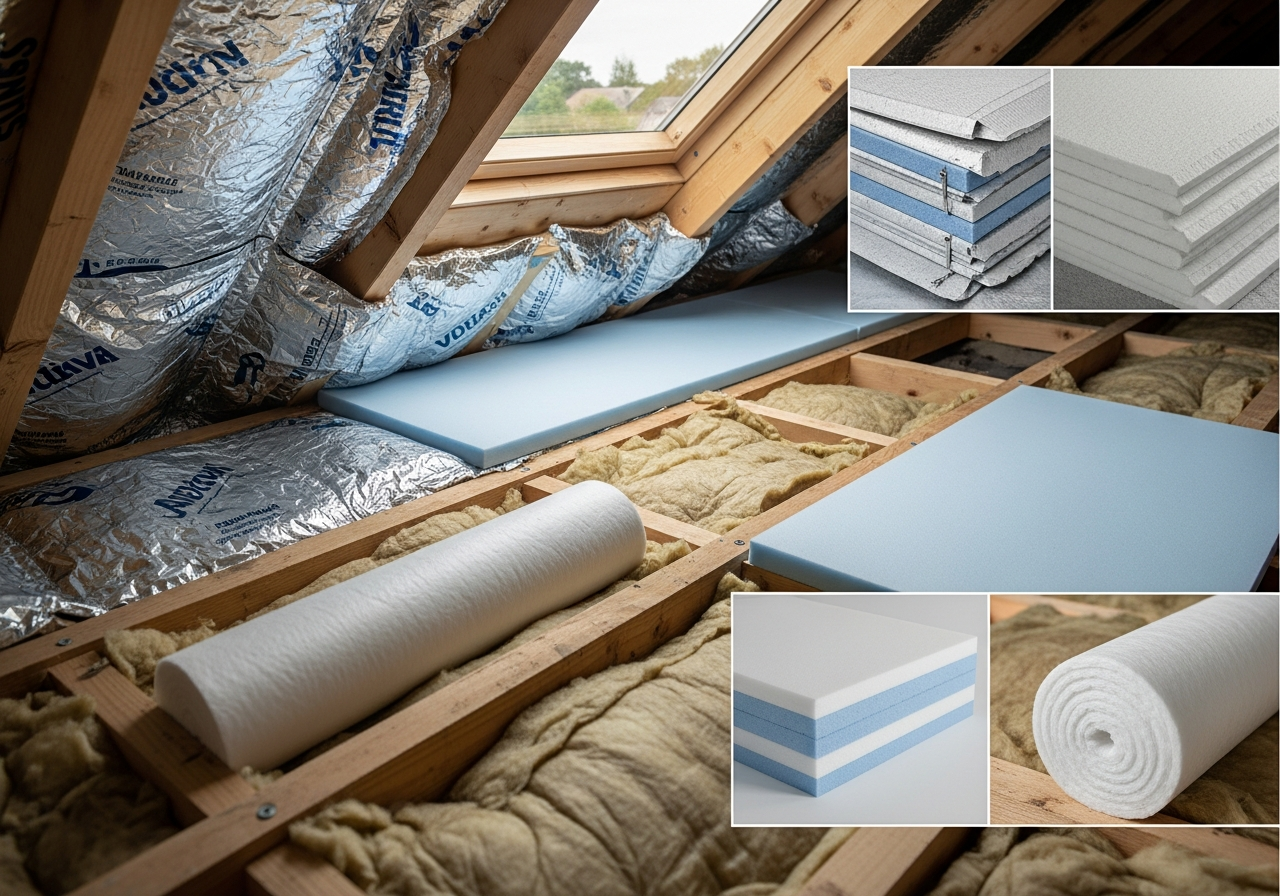
Several material types excel in space-limited applications. Vacuum insulated panels represent the ultimate in thin insulation technology, offering exceptional thermal performance in just 20-40mm thickness. However, they require careful handling and aren’t suitable for areas where penetration might occur.
Phenolic foam boards provide excellent thermal resistance at 80-100mm thickness, making them ideal for loft applications where every millimetre counts. These rigid boards are particularly effective in flat roof scenarios or where a solid surface is needed for flooring above.
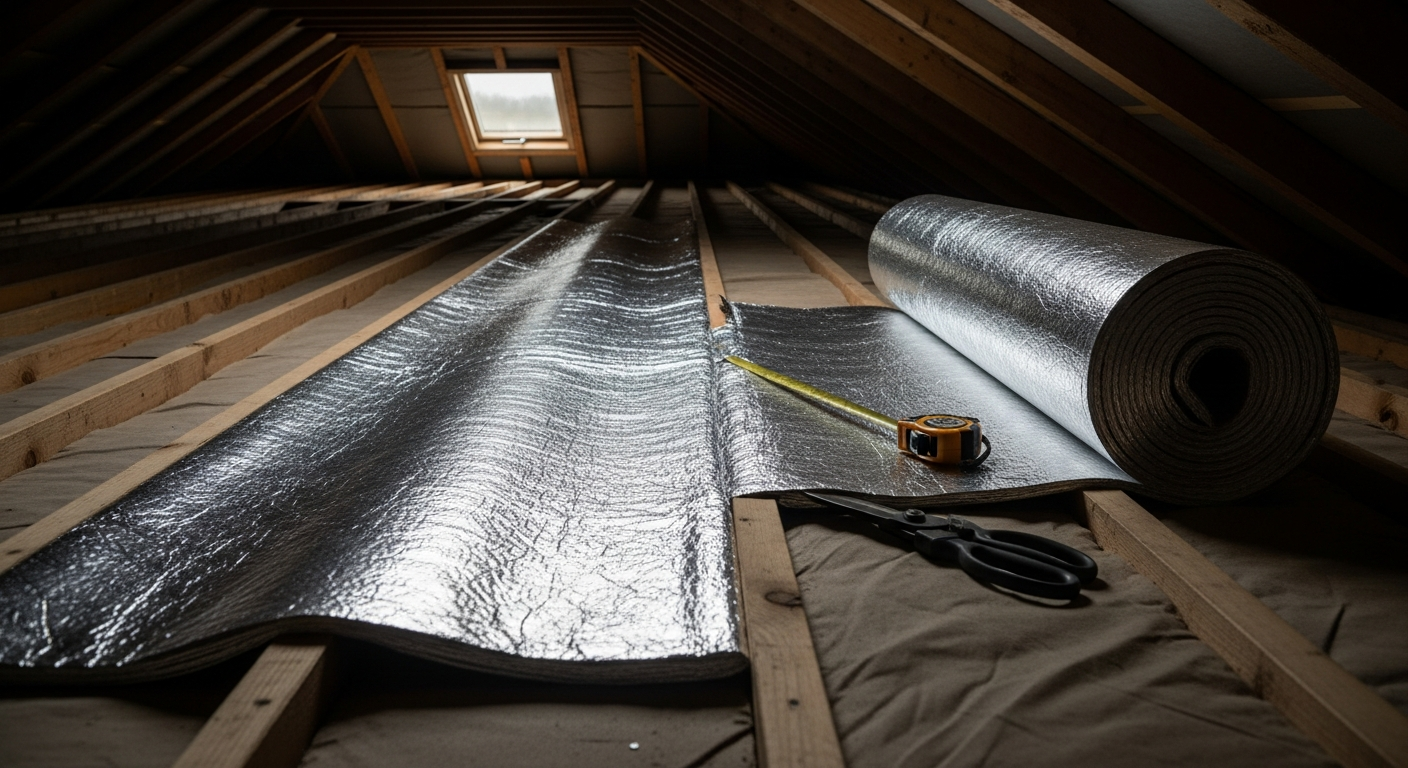
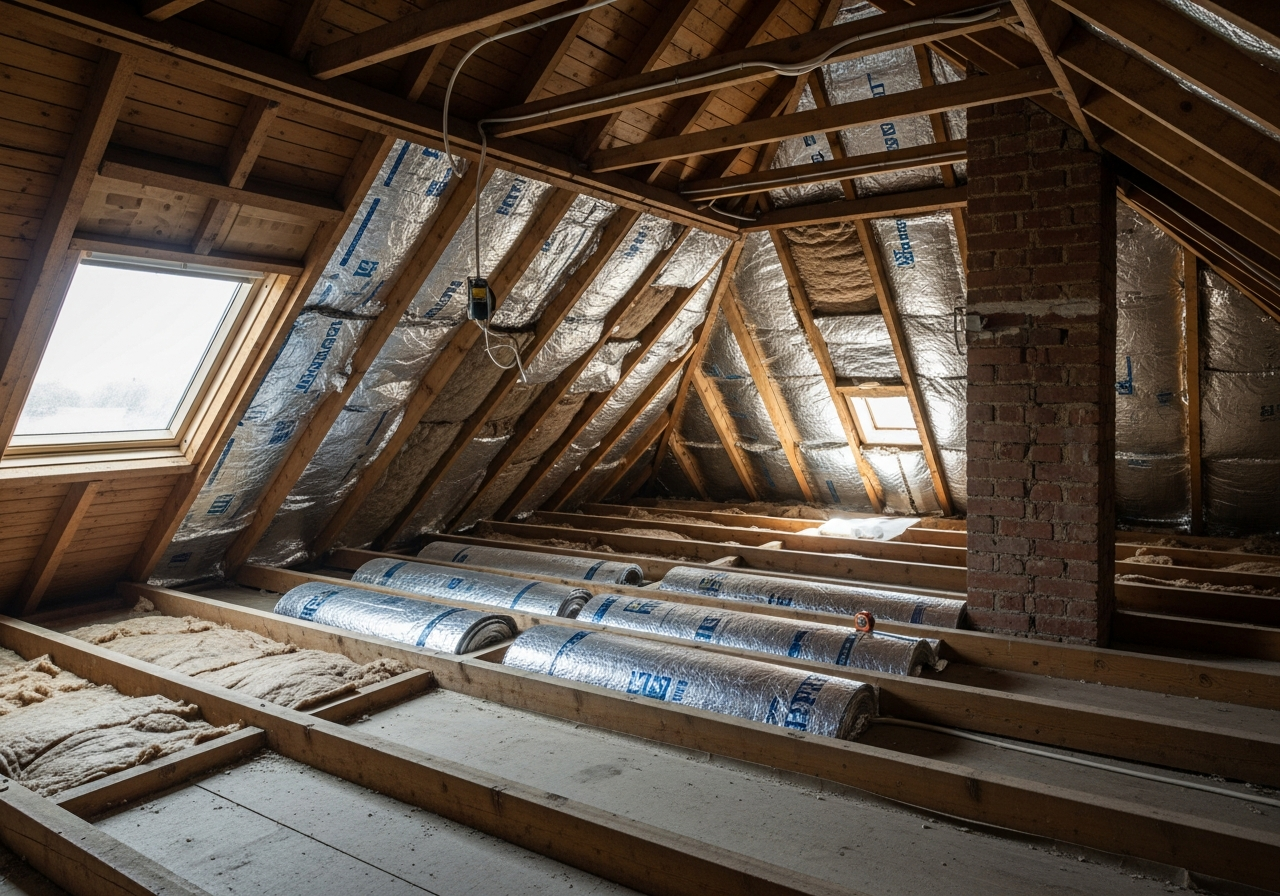
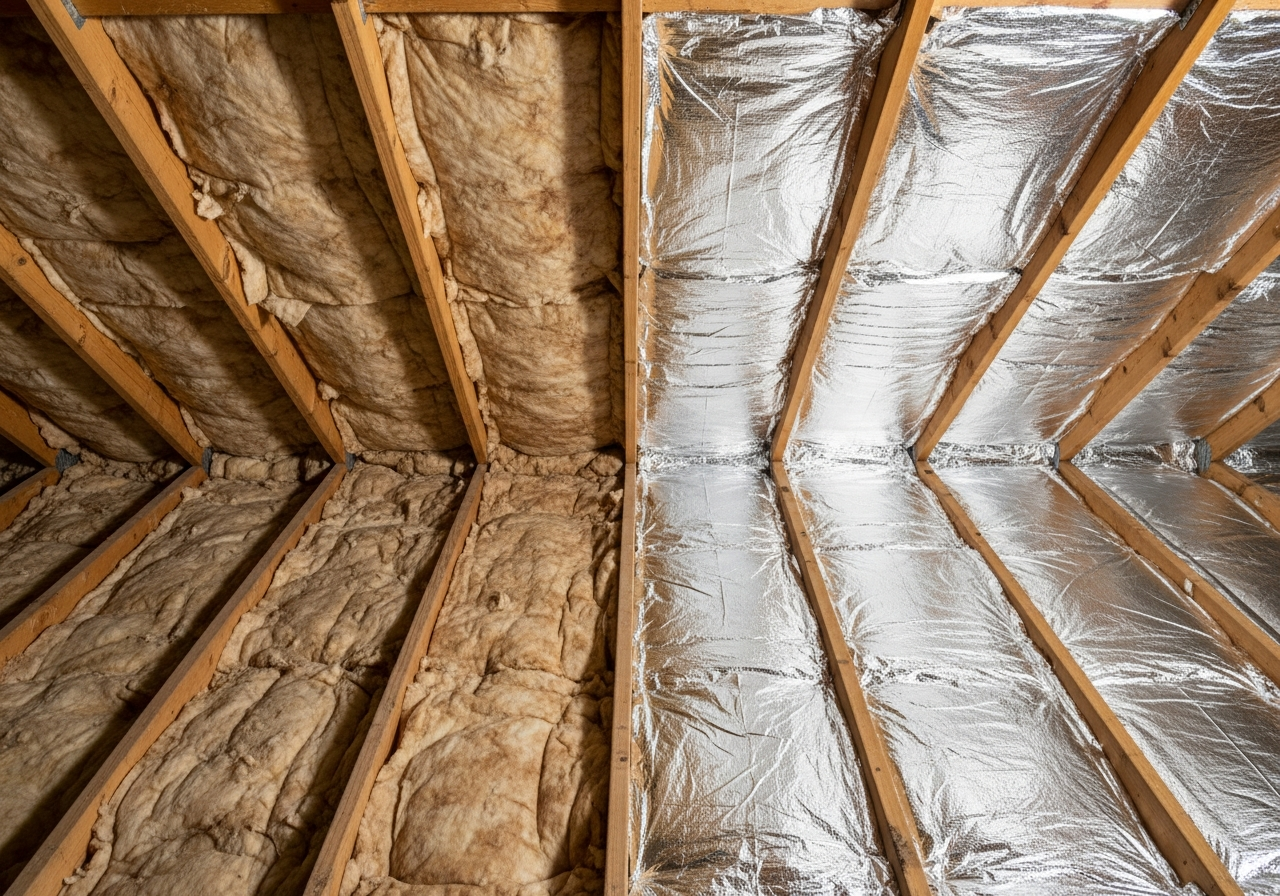
Multi-foil systems combine reflective layers with thin insulation cores, typically requiring 50-100mm total depth including essential air gaps. Our Multi-Foil Insulation Installation service focuses specifically on these systems because they’re particularly well-suited to awkward roof spaces where access is challenging and conventional materials prove impractical.
Aerogel blankets offer remarkable thermal performance in extremely thin profiles, though they come at a premium cost. For critical applications where space is at an absolute minimum, they provide an effective solution that was impossible to achieve just a few years ago.
Installation Considerations for Tight Spaces
Working in restricted loft areas requires careful planning and the right approach. Access routes become critical when you can’t simply roll out large quantities of material. We often need to cut materials to size before bringing them into the roof space, which requires precise measurement and planning.
Ventilation remains crucial regardless of space limitations. Thin insulation systems must still allow adequate airflow to prevent condensation issues. This means maintaining 50mm air gaps above insulation in pitched roofs and ensuring soffit and ridge ventilation remains unobstructed.
Thermal bridging becomes more significant with thin systems because there’s less margin for error. Every junction, beam, and penetration needs careful attention to maintain the thermal barrier’s integrity. We pay particular attention to sealing around pipes, cables, and structural elements where heat loss can easily occur.
The installation sequence often differs from conventional approaches. With limited working space, we typically work systematically from one end to the other, rather than spreading materials randomly. This methodical approach ensures consistent coverage and proper sealing between sections.
Cost-Benefit Analysis for Compact Systems
Thin insulation systems typically cost 30-60% more per square metre than conventional materials, but this premium often delivers excellent value when you consider the full picture. The space savings alone can be worth thousands if you’re planning a loft conversion or need to maintain ceiling heights.
Installation costs may actually reduce with thin systems because access is easier and working time decreases. We can often complete jobs in restricted spaces much faster using compact materials, which helps offset the higher material costs.
Energy performance improvements can be dramatic when upgrading from no insulation or minimal coverage to a properly installed thin system. A typical semi-detached house might see heating bill reductions of £200-400 annually, making payback periods reasonable even with premium materials.
The long-term benefits include increased property value, improved comfort, and reduced carbon emissions. Many homeowners find that solving their space-limited insulation problem finally allows them to use their loft space effectively, whether for storage or conversion.
Key Takeaways
- Modern thin insulation systems can achieve excellent thermal performance in depths of 50-100mm, making them ideal for space-constrained lofts
- Material options include vacuum panels, phenolic foam, multi-foil systems, and aerogel blankets, each suited to different applications and budgets
- Professional installation remains crucial for maintaining ventilation and preventing thermal bridging in tight spaces
- Higher material costs are often justified by space savings, easier installation, and significant energy bill reductions
- Proper planning and systematic installation techniques are essential for success in restricted access areas
What Our Customers Say
Trusted by homeowners across Coventry & Warwickshire — here's what they have to say.
"Brilliant service from start to finish. The team were professional, tidy, and explained everything clearly. Our energy bills have dropped noticeably since the new insulation went in."
"Had spray foam removed and mineral wool installed. The surveyor was thorough and honest about what needed doing. Really impressed with the quality of work."
"We had terrible condensation in our loft. They diagnosed the problem quickly, improved the ventilation, and replaced the old insulation. No more damp and the house is noticeably warmer."
Frequently Asked Questions
Yes, advanced thin materials can achieve similar thermal resistance to much thicker conventional options. For example, 100mm of high-quality multi-foil can perform comparably to 200mm of mineral wool when properly installed with correct air gaps.
Victorian properties often have challenging roof configurations, but thin systems are frequently the only viable solution. We assess each property individually to determine the best approach, considering access routes, existing structures, and thermal requirements.
Expect to pay 30-60% more for materials, but installation savings and the value of reclaimed space often balance this premium. The exact cost depends on the specific system chosen and the complexity of your roof space. Ready to explore thin insulation options for your space-limited loft? We'll assess your specific situation and recommend the most effective approach for your property and budget. Get in touch for a detailed survey and tailored proposal. META_DESCRIPTION: Expert guide to thin insulation for tight loft spaces. Learn about compact materials, installation tips, and cost benefits. Multi-Foil Insulation Installation experts.
Ready for a Free Survey?
No obligation. We assess your property and provide a detailed quote — usually within 48 hours.