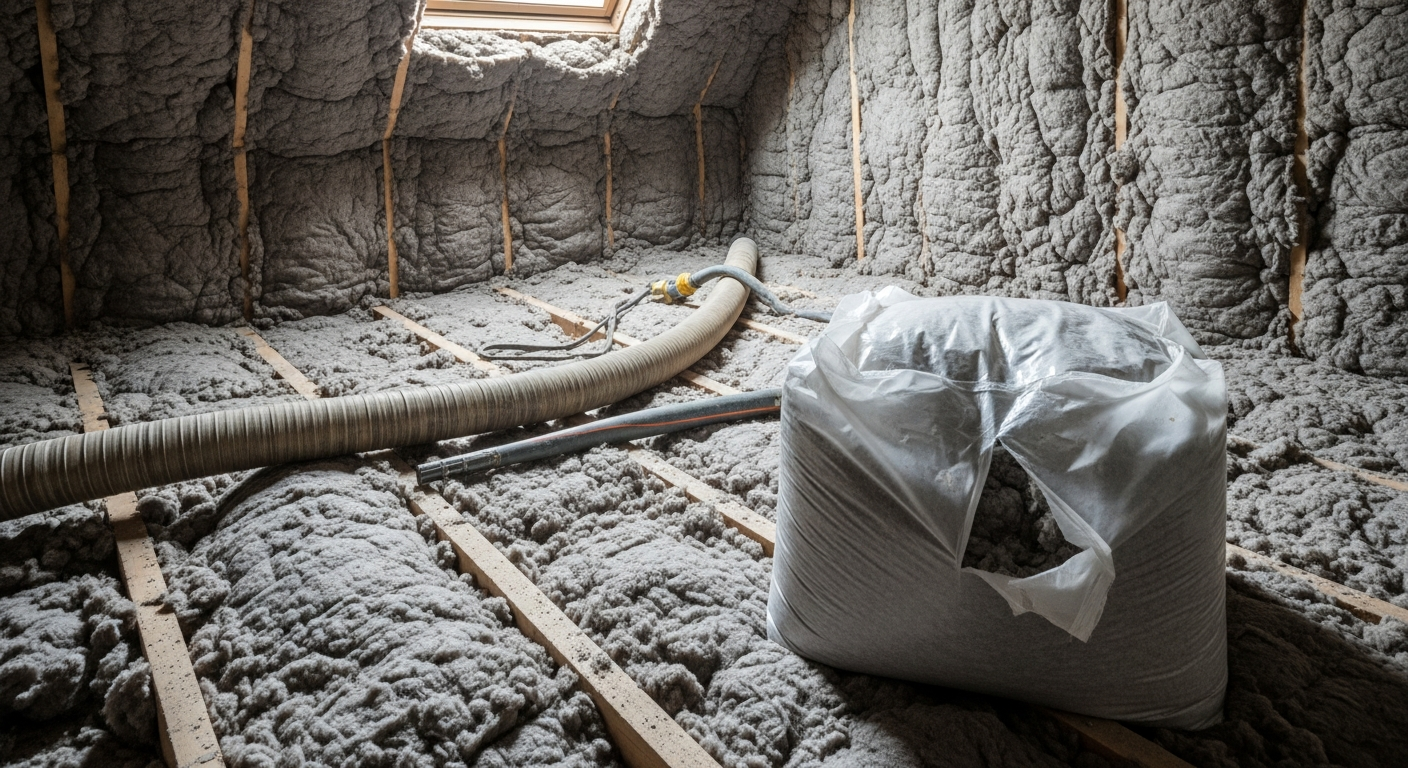
Is Cellulose Insulation Right for Your Home?
Learn whether cellulose insulation suits your home with this detailed guide covering environmental benefits, performance, and costs. Expert advice on Blown-in Cellulose Loft Insulation.
Is Cellulose Insulation Right for Your Home?
Choosing the right insulation for your loft can feel overwhelming, especially with so many options available. Cellulose insulation has gained popularity in recent years, but like any material, it comes with both advantages and drawbacks. Understanding these pros and cons is essential before making a decision that will affect your home’s comfort and energy bills for years to come. Let’s examine whether this eco-friendly option might be the right fit for your property.
Understanding Cellulose Insulation Materials
Cellulose insulation is manufactured primarily from recycled newspaper and cardboard, treated with fire-retardant chemicals like boric acid. This recycled content typically makes up 75-85% of the final product, with the remainder consisting of additives for fire resistance, pest deterrence, and mould prevention.
The manufacturing process involves shredding the paper materials into fine fibres, then treating them with these protective chemicals. Unlike synthetic alternatives, cellulose maintains its natural cellular structure, which contributes to its thermal performance. The material arrives as loose-fill fibres that can be blown into loft spaces, wall cavities, or other areas requiring insulation.
Most cellulose products meet British Standard BS EN 15101 for thermal insulation materials, ensuring consistent quality and performance. The typical R-value ranges from 3.2 to 3.8 per inch of thickness, making it competitive with other common insulation materials.
Environmental Benefits and Drawbacks
From an environmental perspective, cellulose offers significant advantages. Using up to 85% recycled content diverts waste from landfills whilst requiring relatively little energy to manufacture compared to synthetic alternatives. The production process generates fewer greenhouse gases than fibreglass or foam insulation manufacturing.
However, the chemical treatment process does introduce some environmental considerations. Fire retardants and pest deterrents, whilst necessary for safety and performance, mean the material isn’t entirely natural. Additionally, if cellulose becomes saturated with moisture, it can develop mould issues that may require removal and replacement.
The transportation footprint varies depending on where the material is manufactured. Some cellulose insulation is produced locally, reducing transport emissions, whilst other products travel longer distances. When sourcing materials, we always consider the environmental impact of the supply chain alongside the product’s inherent eco-friendliness.
Performance Characteristics in UK Homes
Cellulose insulation performs well in the UK climate, providing good thermal resistance when properly installed. Its dense-packed nature helps reduce air movement within the insulation layer, improving overall thermal performance. The material also offers decent sound dampening properties, which many homeowners appreciate.
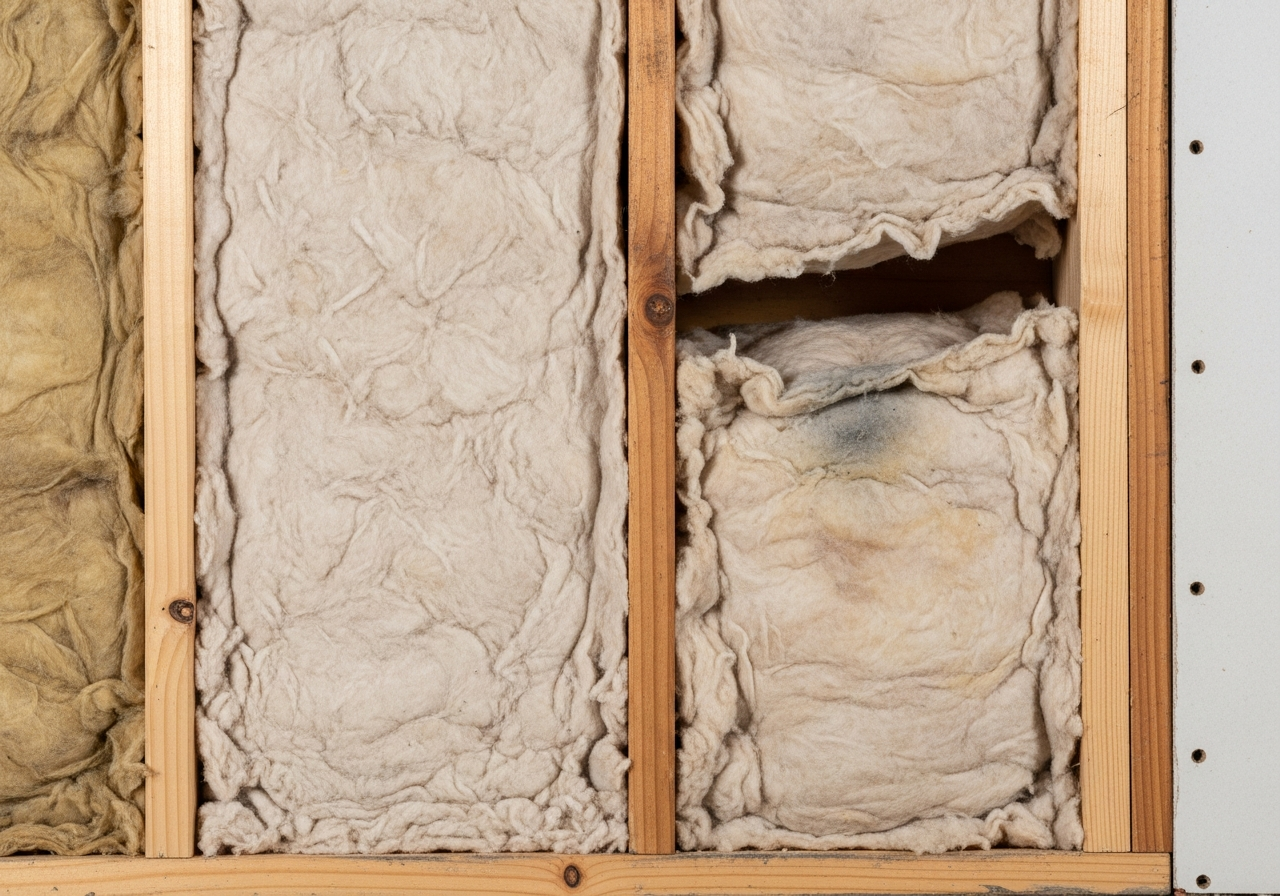
Moisture management requires careful consideration in British homes. Cellulose can absorb moisture without losing all its insulating properties, unlike some synthetic materials that compress when wet. However, excessive moisture can lead to settling and reduced thickness over time. Proper ventilation and vapour barriers become crucial for long-term performance.
Settlement is a natural characteristic of cellulose insulation. Over several years, the material may compact by 10-20%, potentially creating gaps that reduce thermal performance. Quality installation techniques, including slight over-filling to account for settling, help mitigate this issue. Our blown-in cellulose loft insulation service includes allowances for natural settlement to maintain consistent coverage.
Cost Considerations and Installation Factors
Installation costs for cellulose typically fall between fibreglass and spray foam options. The material itself is generally affordable, but professional installation using specialised blowing equipment affects the overall price. Dense-pack applications require more skill and time than loose-fill installations, influencing labour costs.
The existing condition of your loft affects installation complexity. Areas with numerous penetrations, irregular joist spacing, or limited access may require additional preparation work. Air sealing before insulation installation is particularly important with cellulose, as the material can move with air currents if gaps aren’t properly sealed.
Long-term value depends largely on installation quality and home maintenance. Well-installed cellulose can provide decades of reliable performance, though occasional top-up applications may be needed due to natural settling. Regular loft inspections help identify any issues before they impact performance significantly.
Key Takeaways
- Cellulose insulation offers excellent environmental credentials through high recycled content and lower manufacturing emissions
- Thermal performance competes well with other materials when properly installed and maintained
- Moisture management and natural settling require careful consideration during design and installation
- Professional installation with appropriate equipment ensures optimal performance and longevity
- Cost-effectiveness depends on local pricing, installation complexity, and long-term maintenance requirements
What Our Customers Say
Trusted by homeowners across Coventry & Warwickshire — here's what they have to say.
"Brilliant service from start to finish. The team were professional, tidy, and explained everything clearly. Our energy bills have dropped noticeably since the new insulation went in."
"Had spray foam removed and mineral wool installed. The surveyor was thorough and honest about what needed doing. Really impressed with the quality of work."
"We had terrible condensation in our loft. They diagnosed the problem quickly, improved the ventilation, and replaced the old insulation. No more damp and the house is noticeably warmer."
Frequently Asked Questions
Modern cellulose insulation contains boric acid and other additives that naturally deter insects and rodents. These treatments make the material unpalatable to pests without using harmful pesticides. However, proper sealing of entry points remains important for comprehensive pest prevention.
Well-installed cellulose insulation can provide effective thermal performance for 20-30 years or more. Some settling occurs naturally over time, but this rarely affects performance significantly if the initial installation accounts for this characteristic. Regular inspections help identify when top-up applications might be beneficial.
Cellulose insulation generally poses minimal health risks when properly installed. The material doesn't contain formaldehyde or synthetic fibres that can cause respiratory irritation. However, like any particulate material, proper protective equipment should be worn during installation to avoid dust inhalation. If you're considering cellulose insulation for your home, we'd be happy to assess your property and discuss whether this eco-friendly option suits your specific requirements. Contact us to arrange a survey and receive tailored advice based on your home's characteristics and your priorities. META_DESCRIPTION: Learn whether cellulose insulation suits your home with this detailed guide covering environmental benefits, performance, and costs. Expert advice on Blown-in Cellulose Loft Insulation.
Ready for a Free Survey?
No obligation. We assess your property and provide a detailed quote — usually within 48 hours.