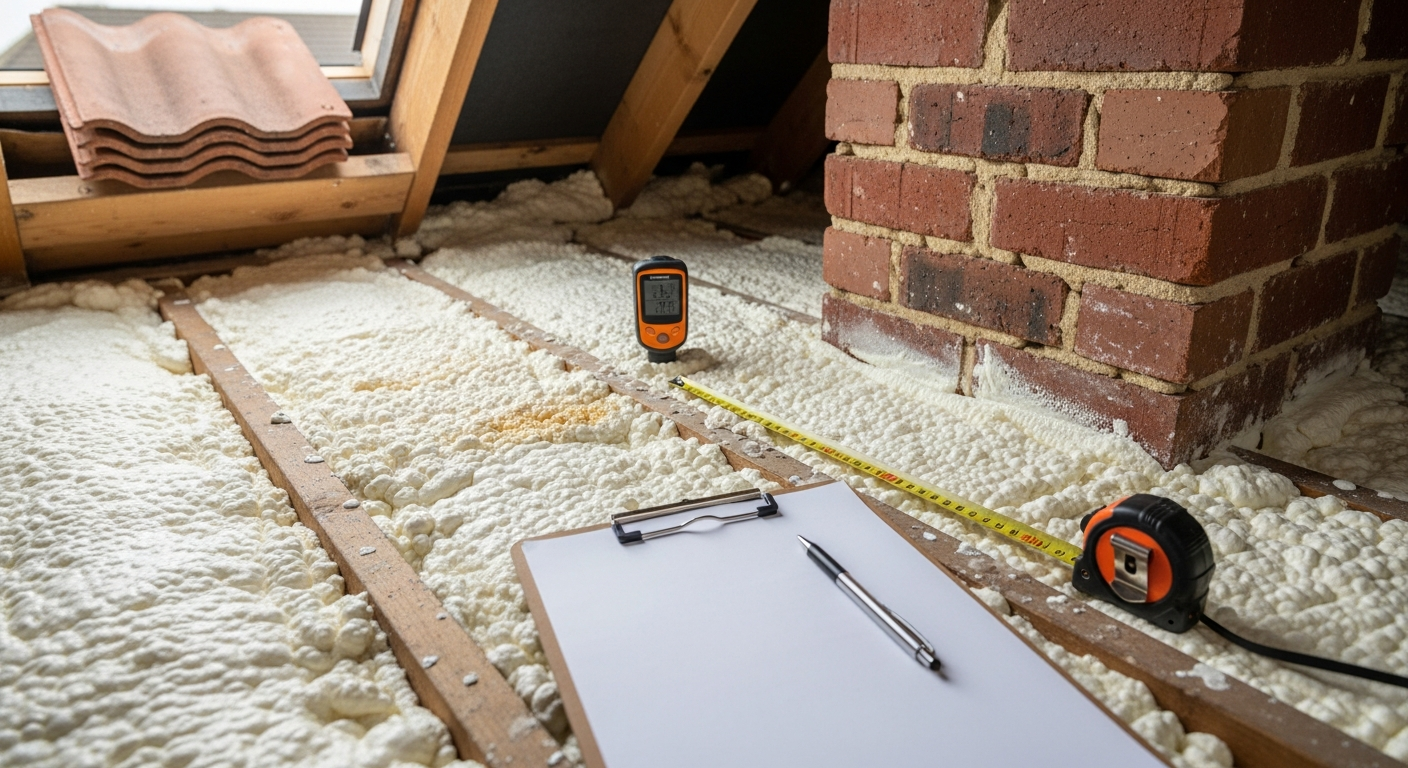
Do You Need a Spray Foam Condition Report?
Learn when you need a spray foam condition report for your home. Discover key signs, property transaction requirements & renovation planning with expert guidance.
Do You Need a Spray Foam Condition Report?
Spray foam insulation has transformed thousands of UK homes over the past decade, delivering excellent thermal performance and air sealing. However, like any building material, foam can develop issues over time — and knowing when to get it professionally assessed can save you from costly problems down the line. Whether you’re dealing with suspected defects, planning renovations, or considering a property purchase, understanding when a condition report becomes essential protects both your investment and your family’s comfort.
When Installation Issues Become Apparent
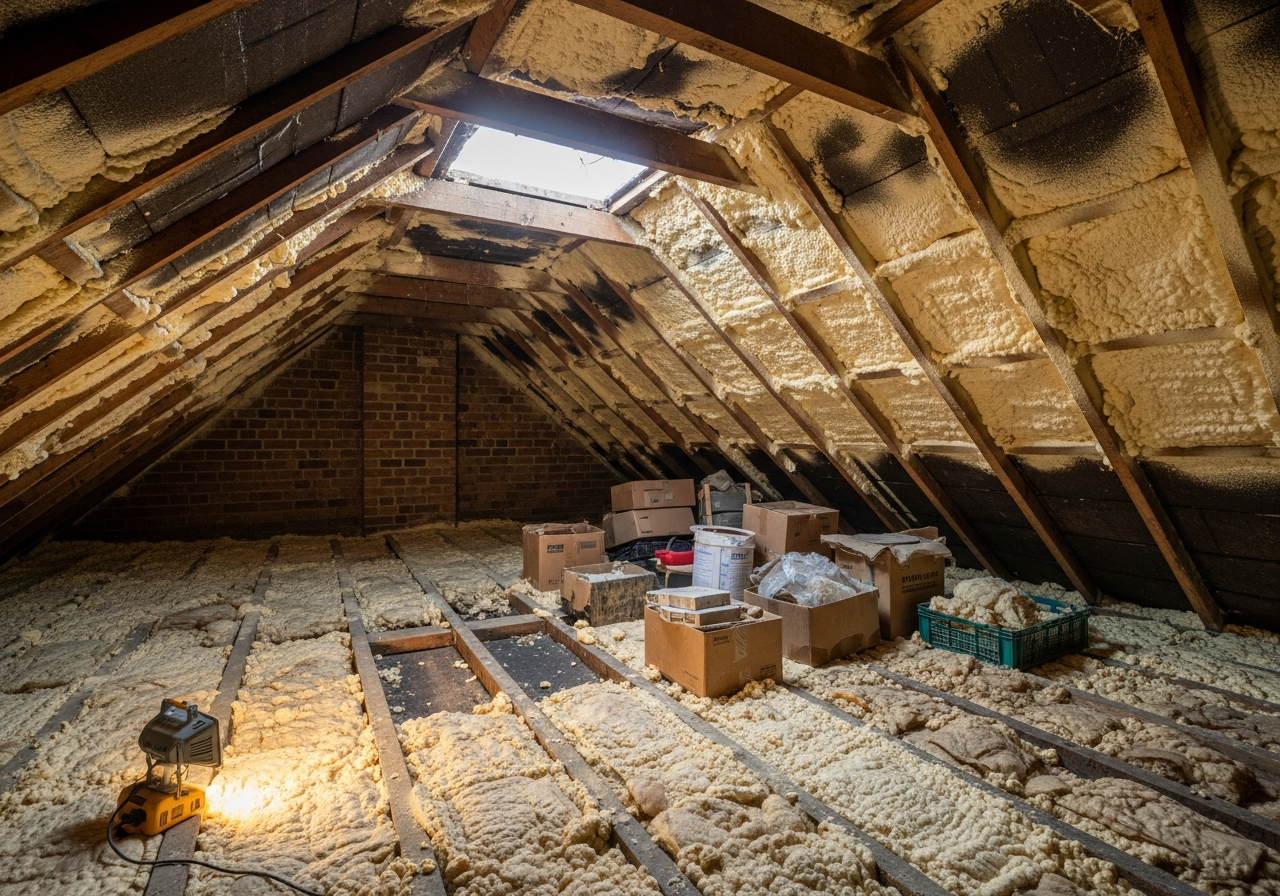
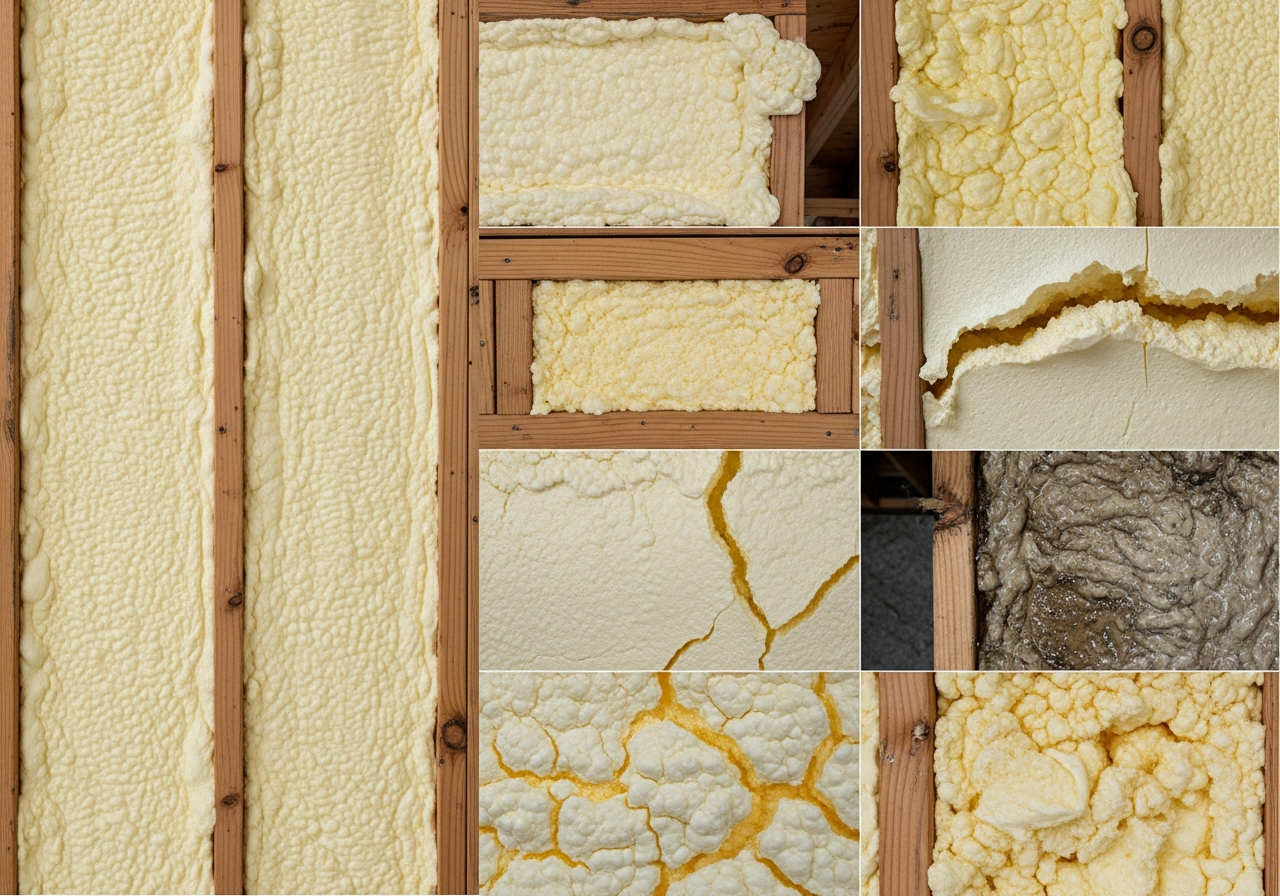
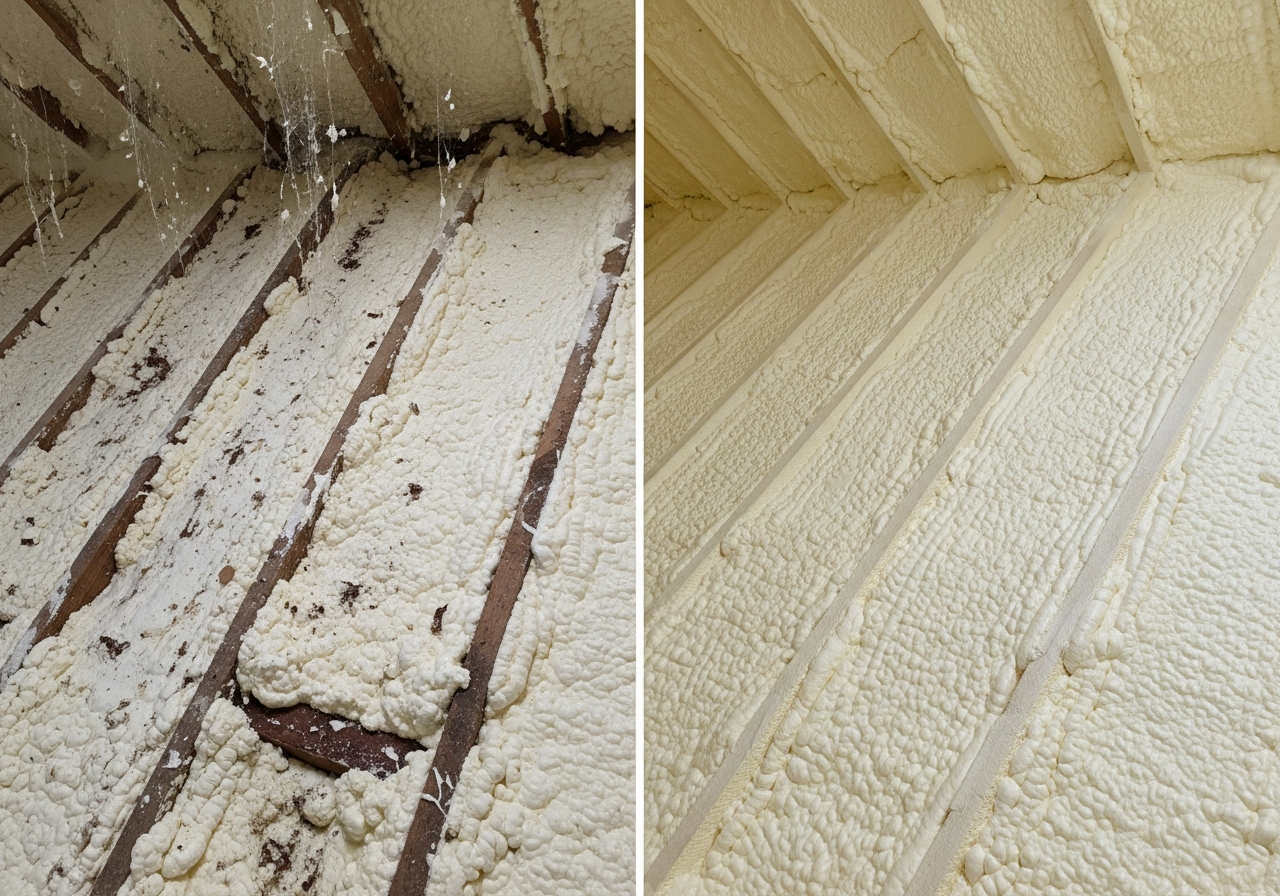
Most spray foam problems don’t announce themselves dramatically. Instead, they tend to reveal themselves gradually through subtle signs that many homeowners initially dismiss. Poor adhesion to substrates might first appear as minor gaps along edges, while contaminated foam often shows up as areas with unusual texture or colour variations.
We regularly encounter homes where foam was applied in unsuitable conditions — perhaps when temperatures were too low or humidity too high. These installations might look acceptable initially, but they often fail to achieve proper cure or bond strength. If you notice any foam that feels soft, spongy, or shows visible shrinkage away from timber or masonry, these are clear indicators that professional assessment is warranted.
Structural issues can also emerge months or years after installation. Foam that was over-applied can exert significant pressure on roof structures, particularly older timber frames. If you spot new cracks in walls, doors that suddenly stick, or windows that no longer close properly, the foam installation could be contributing to structural movement.
Planning Major Home Improvements
Any significant renovation work should begin with understanding what’s already in your roof space. If you’re planning a loft conversion, roof replacement, or major electrical work, a thorough spray foam assessment becomes crucial. Different foam formulations react differently to heat, and some older products can release concerning fumes when disturbed by cutting or drilling.
We’ve worked on numerous projects where homeowners discovered their existing foam wasn’t suitable for their renovation plans. Some foam types create such effective vapour barriers that they require specific ventilation strategies when roof coverings are replaced. Others might need partial removal to accommodate new structural elements or services.
Insurance companies increasingly request foam condition reports before approving major works policies. They want confirmation that existing insulation won’t complicate planned improvements or create unexpected liabilities. Getting ahead of this requirement prevents project delays and ensures your coverage remains valid throughout the work.
Property Transactions and Mortgage Requirements
The property market’s relationship with spray foam has evolved significantly. While early installations sometimes created mortgage difficulties, today’s lenders typically accept foam insulation when proper documentation exists. However, they want evidence that the installation meets current standards and hasn’t developed defects.
If you’re selling a property with spray foam, a professional condition report demonstrates responsible ownership and can prevent transaction delays. Buyers’ surveyors often flag foam as requiring specialist assessment, so having current documentation ready accelerates the process. For purchasers, commissioning your own report provides independent verification of the foam’s condition and suitability.
Some mortgage providers now require foam assessments for properties over certain ages or where previous surveys have noted concerns. Rather than discovering this requirement late in the transaction process, proactive assessment keeps your sale or purchase on track.
Recognising Performance Problems
Even properly installed foam can experience performance degradation over time. If your heating bills have increased unexpectedly, or you notice temperature variations between rooms that weren’t there previously, the foam might not be performing as intended. Thermal imaging can reveal areas where insulation has failed, but a comprehensive condition report provides the full picture.
Moisture issues often indicate foam problems. While spray foam itself doesn’t absorb water like traditional insulation, gaps or delamination can create pathways for moisture ingress. If you discover condensation in previously dry areas, ice formation in roof spaces, or unexplained humidity increases, professional assessment helps identify whether foam integrity is compromised.
Our Spray Foam Survey & Condition Report service addresses exactly these concerns, providing detailed analysis of foam condition, performance, and compliance with current standards. We examine installation quality, identify any defects, and recommend appropriate remedial actions when necessary.
Key Takeaways
• Get foam assessed if you notice gaps, soft areas, discolouration, or shrinkage in existing installations
• Commission reports before major renovations, particularly loft conversions or roof replacements
• Professional documentation smooths property transactions and satisfies lender requirements
• Performance problems like increased heating costs or moisture issues warrant investigation
• Early identification of foam defects prevents costly structural or building fabric damage
What Our Customers Say
Trusted by homeowners across Coventry & Warwickshire — here's what they have to say.
"Brilliant service from start to finish. The team were professional, tidy, and explained everything clearly. Our energy bills have dropped noticeably since the new insulation went in."
"Had spray foam removed and mineral wool installed. The surveyor was thorough and honest about what needed doing. Really impressed with the quality of work."
"We had terrible condensation in our loft. They diagnosed the problem quickly, improved the ventilation, and replaced the old insulation. No more damp and the house is noticeably warmer."
Frequently Asked Questions
Most foam installations benefit from professional assessment every 10-15 years, though properties with known issues or those undergoing major works should be evaluated sooner. Annual visual checks by homeowners help identify obvious problems early.
A professional report demonstrating well-maintained foam typically supports property values by providing buyers and lenders with confidence. Conversely, avoiding assessment when problems exist often creates bigger issues during sales.
While homeowners can spot obvious defects like gaps or discolouration, proper assessment requires thermal imaging, moisture measurement, and knowledge of installation standards. Professional evaluation provides the comprehensive analysis needed for important decisions. If you're concerned about your spray foam's condition or need professional assessment for renovation or sale purposes, our experienced team can provide the detailed evaluation you need. Contact us to arrange a comprehensive survey and condition report that gives you complete confidence in your insulation's performance and compliance. META_DESCRIPTION: Learn when you need a spray foam condition report for your home. Discover key signs, property transaction requirements & renovation planning with expert guidance.
Ready for a Free Survey?
No obligation. We assess your property and provide a detailed quote — usually within 48 hours.