Signs of Rodent Damage in Your Loft Insulation
If you've been hearing scratching sounds above your ceiling or noticed unexplained draughts around your home, rodents may have made themselves comfortable...
Signs of Rodent Damage in Your Loft Insulation
If you’ve been hearing scratching sounds above your ceiling or noticed unexplained draughts around your home, rodents may have made themselves comfortable in your loft space. Mice, rats, and squirrels don’t just create noise — they can cause significant damage to your insulation, compromising your home’s thermal performance and creating health risks. Knowing what to look for can help you identify problems early, before minor damage becomes a major headache requiring complete insulation replacement.
Physical Evidence You Can See
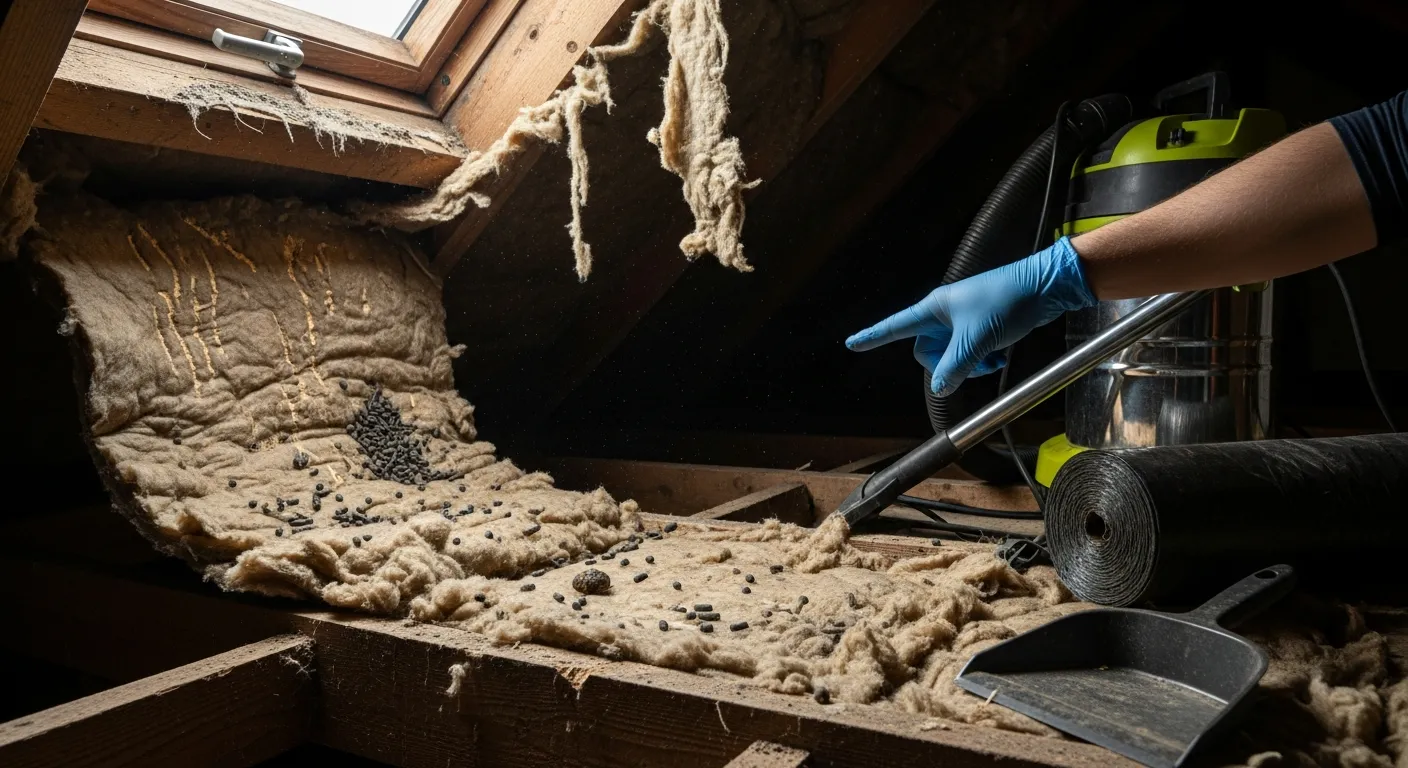
The most obvious signs of rodent activity are the physical traces they leave behind. When you venture into your loft, look for small, dark droppings scattered across the insulation surface — mouse droppings are about the size of rice grains, while rat droppings are larger and more cylindrical. Fresh droppings appear dark and moist, whilst older ones turn grey and crumble when touched.
You might also spot gnaw marks on wooden beams, cables, or packaging materials. Rodents have continuously growing teeth and need to gnaw constantly to keep them sharp and manageable. Look for shredded insulation material that’s been pulled away to create nesting sites — rodents often burrow into fibreglass or mineral wool to build warm, protected spaces for their young.
Greasy smear marks along walls and beams indicate regular rodent pathways. These oily trails build up where rodents repeatedly brush against surfaces as they follow established routes through your loft space.
Insulation Performance Problems
Damaged insulation doesn’t perform as intended, and you’ll often notice the effects before you spot the visual evidence. If your energy bills have increased unexpectedly, particularly heating costs during winter months, compromised loft insulation could be the culprit. When rodents tunnel through insulation or compress it for nesting material, they create gaps and thin spots that allow heat to escape.
Cold spots on your ceiling during winter months often indicate areas where insulation has been displaced or damaged. You might also notice increased condensation problems in rooms below the loft, as temperature differentials create more opportunities for moisture to form on cold surfaces.
Uneven temperatures throughout your home can signal patchy insulation coverage. If some rooms feel noticeably colder than others, despite having the same heating settings, rodent damage may have created thermal weak points in your building envelope.
Health and Safety Warning Signs
Beyond the property damage, rodent contamination creates serious health concerns that demand immediate attention. The most concerning sign is the distinctive ammonia smell of rodent urine, which becomes particularly noticeable in warm weather or when your heating system draws air through the loft space. This odour indicates significant contamination that affects your home’s air quality.
Rodent droppings and urine can carry diseases including Salmonella, Hantavirus, and Weil’s disease. If anyone in your household experiences unexplained respiratory symptoms, particularly after spending time in upper floor rooms, contaminated loft insulation might be circulating harmful particles through your ventilation system.
Another red flag is finding chewed electrical cables during your inspection. This creates both fire hazards and potential electrocution risks — damaged wiring in loft spaces has caused numerous house fires across the UK. Never attempt to handle damaged electrical components yourself; this requires professional attention immediately.
When contamination is extensive, our rodent-contaminated insulation clearance service becomes essential to restore both your home’s thermal performance and indoor air quality safely.
What to Do Next
If you’ve identified signs of rodent damage, act quickly to prevent further deterioration. First, seal any obvious entry points you can safely reach — gaps around roof edges, holes where pipes enter the building, or damaged soffit boards. However, don’t attempt to handle contaminated insulation yourself without proper protective equipment and disposal methods.
Document the extent of damage with photographs for insurance purposes, then contact a professional team experienced in contaminated insulation removal. We handle these situations regularly and understand both the health precautions required and the most effective methods for complete decontamination and replacement.
Remember that simply adding new insulation over contaminated material won’t solve the problem — the contaminated layers beneath will continue to pose health risks and compromise performance.
Key Takeaways
• Physical signs include droppings, gnaw marks, shredded insulation, and greasy smear trails along regular rodent pathways
• Performance problems manifest as higher energy bills, cold spots on ceilings, and uneven temperatures throughout your home
• Health warning signs include ammonia odours, unexplained respiratory symptoms, and chewed electrical cables creating fire risks
• Professional removal is essential for extensive contamination — don’t attempt DIY cleanup of heavily soiled insulation
• Quick action prevents further damage and reduces both health risks and replacement costs
Professional Assessment and Removal
If you’ve spotted signs of rodent damage in your loft insulation, don’t let the problem worsen. We provide thorough assessment and complete removal of contaminated insulation across Coventry and Warwickshire, ensuring your home returns to optimal thermal performance safely. Contact us today for a comprehensive loft inspection and detailed quote for professional clearance and replacement.
What Our Customers Say
Trusted by homeowners across Coventry & Warwickshire — here's what they have to say.
"Brilliant service from start to finish. The team were professional, tidy, and explained everything clearly. Our energy bills have dropped noticeably since the new insulation went in."
"Had spray foam removed and mineral wool installed. The surveyor was thorough and honest about what needed doing. Really impressed with the quality of work."
"We had terrible condensation in our loft. They diagnosed the problem quickly, improved the ventilation, and replaced the old insulation. No more damp and the house is noticeably warmer."
Frequently Asked Questions
A small rodent family can create significant damage within weeks, particularly during nesting season in spring and autumn. Mice reproduce rapidly, with females producing up to 10 litters per year, so minor problems escalate quickly without intervention.
Wear a dust mask and gloves as minimum protection, but avoid disturbing contaminated areas unnecessarily. Rodent droppings become airborne easily when disturbed, creating inhalation risks. If contamination appears extensive, leave detailed inspection to professionals with proper protective equipment.
Most standard policies exclude damage caused by vermin, but some comprehensive policies include limited coverage for consequential damage. Check your policy documents carefully and document all damage with photographs before beginning any cleanup work.
Most standard policies exclude damage caused by vermin, but some comprehensive policies include limited coverage for consequential damage. Check your policy documents carefully and document all damage with photographs before beginning any cleanup work.
Ready for a Free Survey?
No obligation. We assess your property and provide a detailed quote — usually within 48 hours.