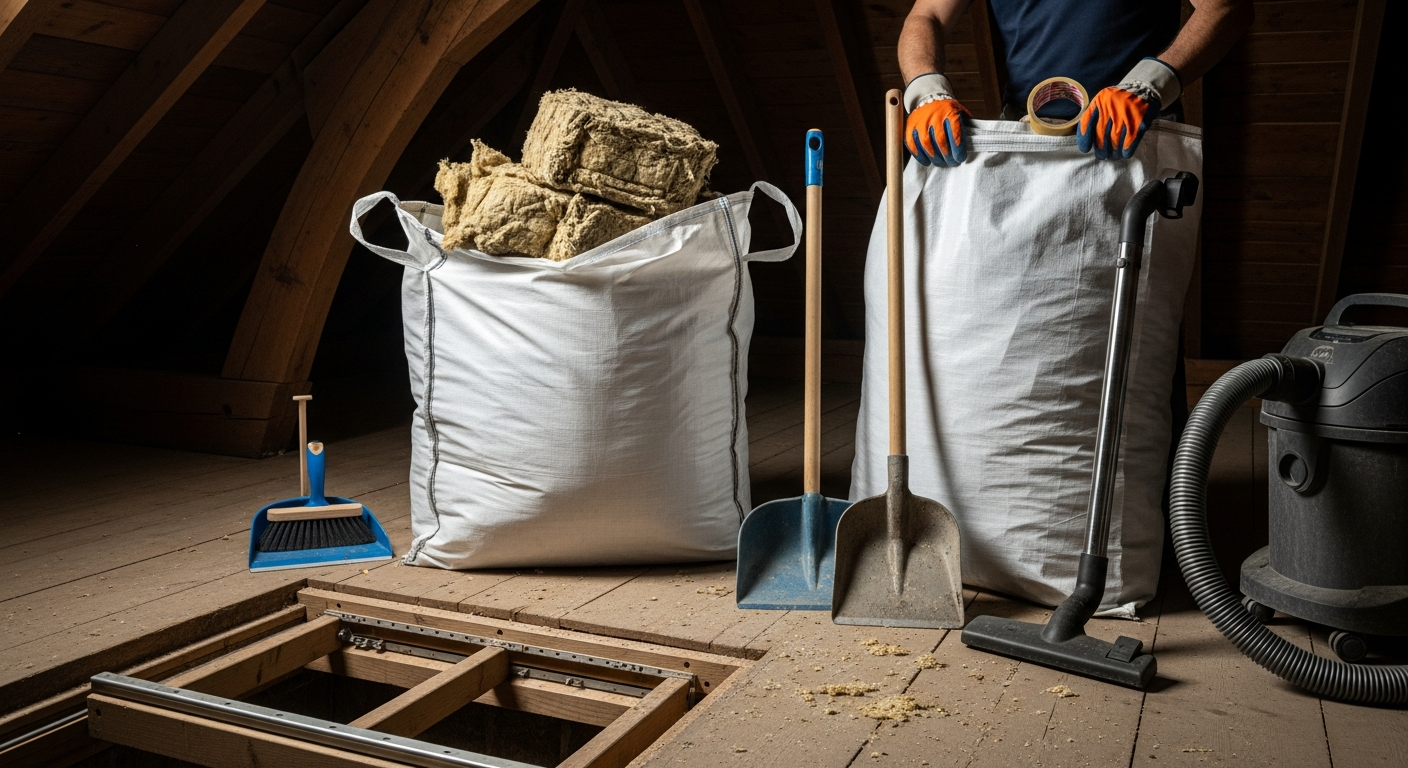
Safe Disposal of Old Loft Insulation Materials
Learn safe disposal methods for different loft insulation types, health precautions, UK legal requirements, and when to use Old Loft Insulation Removal & Disposal services.
Safe Disposal of Old Loft Insulation Materials
When removing old loft insulation, proper disposal isn’t just about clearing space — it’s about protecting your health, following regulations, and being environmentally responsible. Different insulation materials require different handling approaches, and some older types present specific hazards that homeowners need to understand. Getting disposal wrong can mean health risks, legal issues, or unnecessary costs. Here’s what you need to know about safely disposing of old insulation materials from your loft.
Understanding Different Insulation Types and Their Disposal Requirements
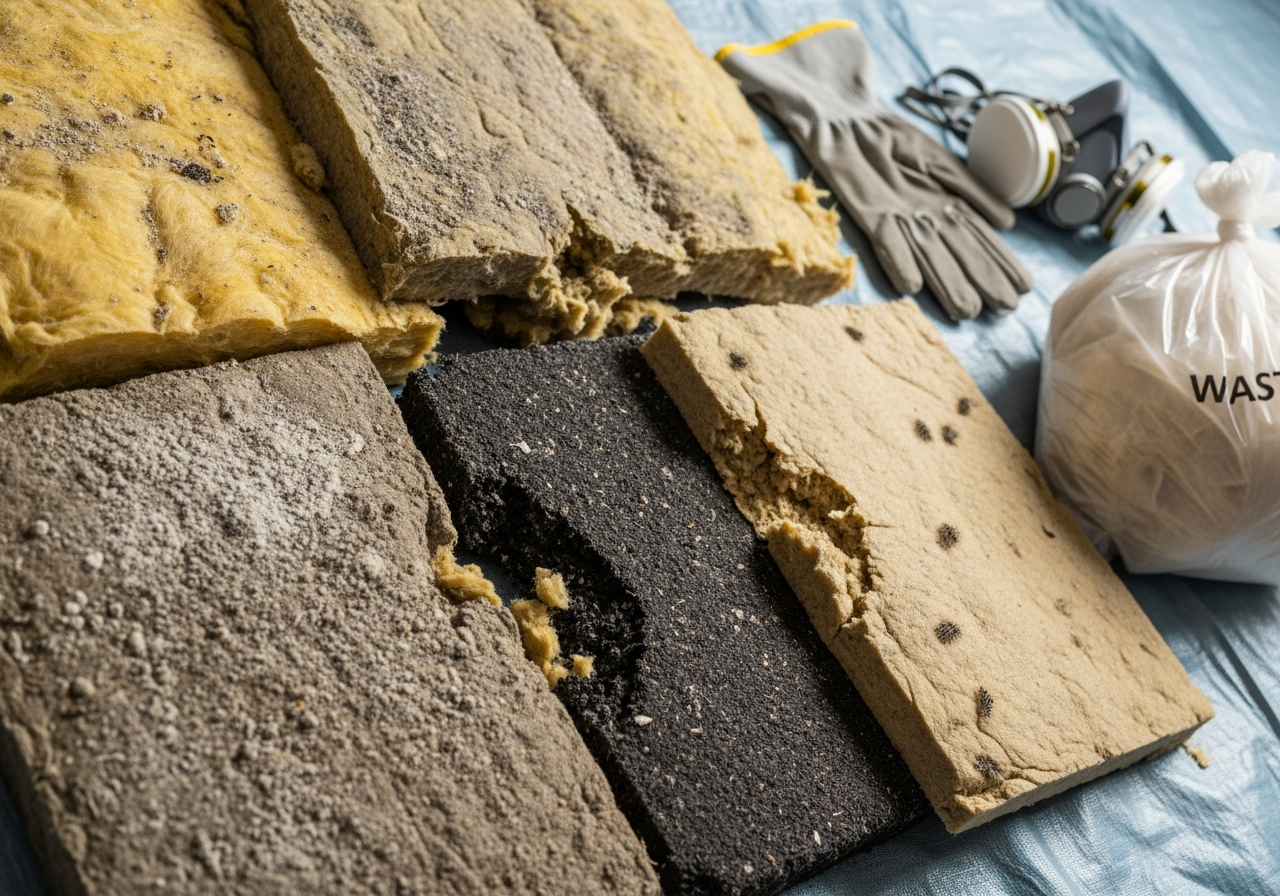
Not all insulation materials are created equal when it comes to disposal. The approach you’ll need depends entirely on what type of insulation you’re dealing with, and crucially, when it was installed.
Mineral wool insulation — including glasswool and rockwool — makes up the majority of modern loft insulation. This material is generally safe to handle with basic protective equipment and can often go to standard household waste recycling centres. However, the fibres can irritate skin, eyes, and respiratory systems, so proper protective clothing remains essential.
Older properties may contain vermiculite insulation, particularly those insulated between the 1960s and 1980s. Some vermiculite contains asbestos, making it a hazardous material requiring specialist removal and disposal. If your property was built or insulated during this period, professional testing is vital before any removal work begins.
Polystyrene and polyurethane foam insulation require different handling again. These synthetic materials don’t biodegrade easily and need proper recycling channels. Some areas accept expanded polystyrene at recycling centres, whilst others require specialist disposal through commercial waste streams.
Health and Safety Precautions During Removal
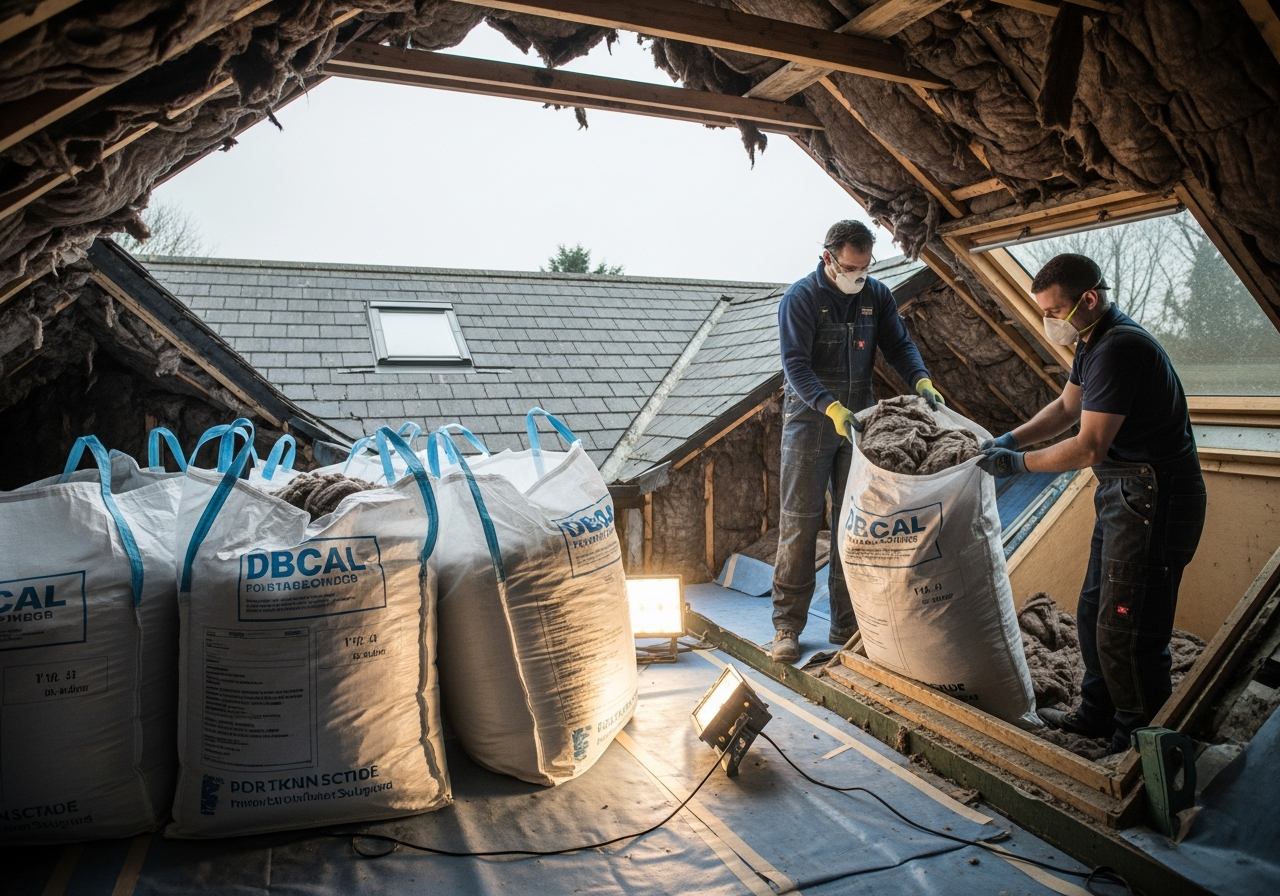
Personal protection is non-negotiable when handling old insulation materials, regardless of type. The minimum safety equipment includes disposable overalls, safety goggles, dust masks (FFP2 or FFP3 rated), and disposable gloves. Good ventilation in the work area is equally important.
Work methodically to minimise dust and fibre release. Dampen materials slightly before removal where appropriate — this helps reduce airborne particles. Bag materials immediately as you remove them, sealing bags securely to prevent spillage during transport.
Never attempt removal if you suspect asbestos-containing materials. Asbestos requires licensed removal contractors and specialist disposal facilities. The Health and Safety Executive provides clear guidance on identifying potentially hazardous materials, and when in doubt, professional testing removes all guesswork.
Take regular breaks and ensure anyone helping understands the safety requirements. Shower immediately after completing removal work, and wash all clothing separately from household laundry.
Legal Requirements and Environmental Considerations
UK waste regulations classify insulation materials differently depending on their composition and contamination level. Most standard mineral wool insulation counts as non-hazardous waste, meaning it can go through normal household waste channels — though check your local council’s specific requirements first.
The Waste (England and Wales) Regulations 2011 require proper classification of construction waste. Homeowners disposing of small quantities typically fall under household waste exemptions, but larger projects may need waste carrier registration or commercial disposal routes.
Environmental responsibility extends beyond legal compliance. Many insulation materials can be recycled or reprocessed rather than sent to landfill. Glass mineral wool can be melted down and reformed, whilst some synthetic insulations can be recycled into new products. Research local recycling options before defaulting to general waste disposal.
Document your disposal method, particularly for larger quantities. Keep receipts from waste centres or disposal companies. This paperwork proves proper disposal should any questions arise later, and may be required for warranty purposes on new insulation installations.
Professional Disposal Services and When to Use Them
While DIY disposal works for straightforward removals, certain situations call for professional help. Our Old Loft Insulation Removal & Disposal service handles the entire process, from safe removal through to compliant disposal, taking the complexity and risk out of the job.
Professional services become essential when dealing with suspected hazardous materials, large quantities, or contaminated insulation. We have the equipment, training, and disposal connections to handle problematic materials safely and legally. This includes direct relationships with licensed waste facilities and recycling centres that may not accept material from private individuals.
Consider professional disposal if access to your loft is difficult, if you have mobility limitations, or if the insulation has been contaminated by pests, water damage, or other issues. Professional teams work faster and safer, often making the service cost-effective when you factor in your time, equipment costs, and disposal fees.
The expertise extends beyond removal to understanding what replacement insulation will work best for your property. Professional assessment can identify potential issues before they become problems, ensuring your new insulation performs properly for years to come.
Key Takeaways
- Different insulation types require different disposal approaches — identify your material before starting
- Personal protective equipment is essential regardless of insulation type, with FFP2/FFP3 masks being minimum requirement
- Suspect asbestos materials need professional testing and licensed removal — never attempt DIY removal
- UK waste regulations require proper classification, with documentation recommended for larger disposals
- Professional disposal services handle complex situations safely and may prove more cost-effective than DIY approaches
What Our Customers Say
Trusted by homeowners across Coventry & Warwickshire — here's what they have to say.
"Brilliant service from start to finish. The team were professional, tidy, and explained everything clearly. Our energy bills have dropped noticeably since the new insulation went in."
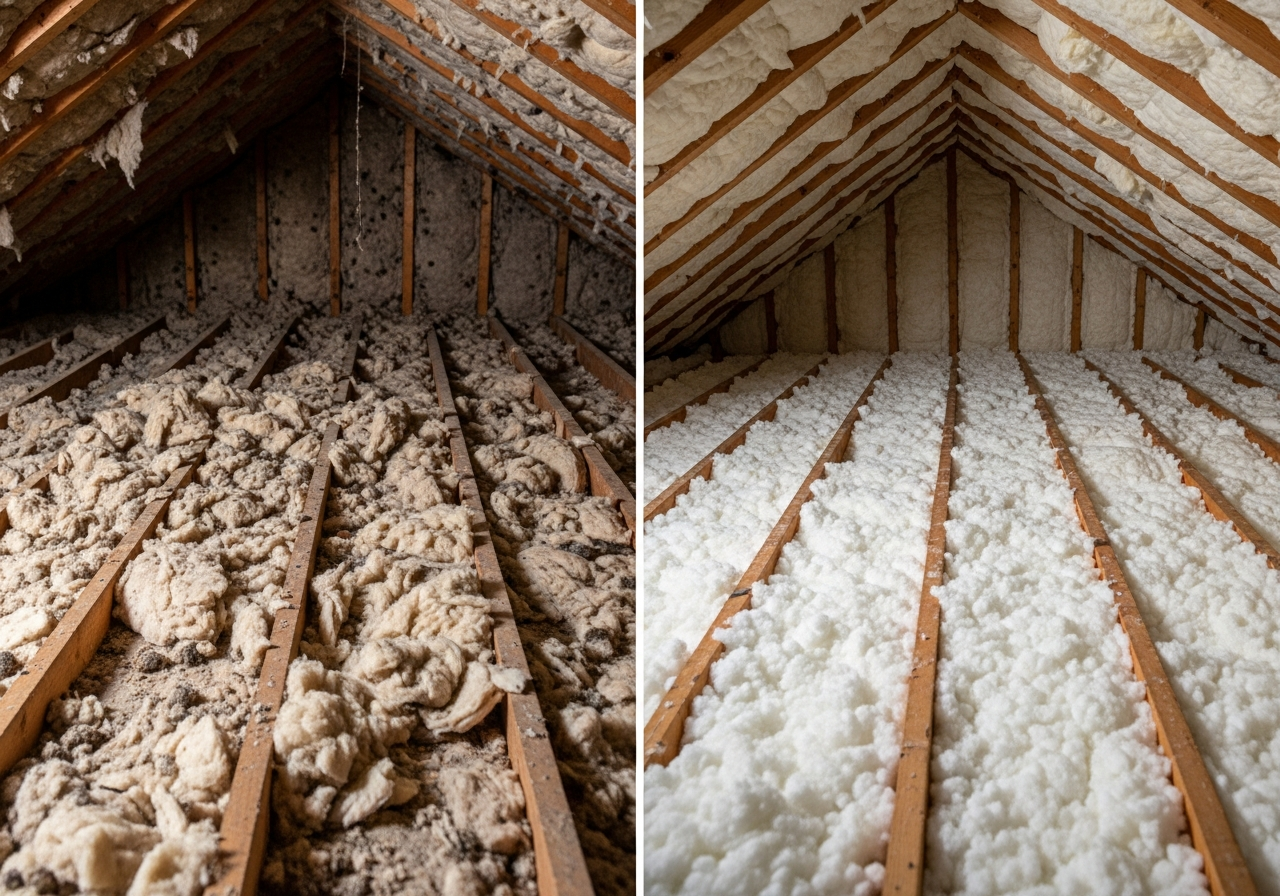
"Had spray foam removed and mineral wool installed. The surveyor was thorough and honest about what needed doing. Really impressed with the quality of work."
"We had terrible condensation in our loft. They diagnosed the problem quickly, improved the ventilation, and replaced the old insulation. No more damp and the house is noticeably warmer."
Frequently Asked Questions
Small quantities of glasswool can typically go in household waste, but check with your local council first. Bag it securely to protect waste collectors from loose fibres, and consider whether your bin capacity can handle the volume without creating collection issues.
Insulation installed between 1960-1980 has higher asbestos risk, particularly vermiculite products. Visual identification isn't reliable — professional testing through a UKAS-accredited laboratory provides definitive answers. Never disturb suspected asbestos materials without proper assessment first.
Most mineral wool insulation gets processed back into new insulation products through high-temperature melting and reformation. Some synthetic materials get recycled into different products, whilst others may go to energy recovery facilities. Ask your local centre about their specific processing methods. Ready to remove old loft insulation safely and responsibly? Our experienced team handles everything from initial assessment through to compliant disposal, ensuring your project proceeds without health risks or regulatory concerns. Contact us for a thorough evaluation of your insulation removal needs. META_DESCRIPTION: Learn safe disposal methods for different loft insulation types, health precautions, UK legal requirements, and when to use Old Loft Insulation Removal & Disposal services.
Ready for a Free Survey?
No obligation. We assess your property and provide a detailed quote — usually within 48 hours.